A bedroom or dressing area can feel much smaller than its actual size when the lighting is uneven. Dark corners, heavy window coverings, and poorly placed fixtures create shadows that visually shrink the room and make surfaces appear closer together.
As reported in Lutron’s 2026 Lighting Trend Report, 74% of homeowners said they would not purchase a home without good natural light. This highlights how strongly brightness affects comfort and the perception of space. In smaller bedrooms and dressing areas, the right lighting strategy can make the room feel more open without changing the layout.
Why Do Bedrooms and Dressing Areas Feel Small?
Bedrooms and dressing areas often feel small because light does not reach every part of the room. When some areas remain dark, the eye focuses on the brightest zone and perceives the surrounding space as smaller.
Limited Natural Light
Natural light helps define the full dimensions of a room. Small windows, obstructed views, and heavy curtains can prevent daylight from reaching deeper areas. As a result, walls, wardrobes, and corners appear closer together, especially in rooms with darker finishes.
Dark Corners and Shadows
Corners that remain underlit create visual boundaries. Large furniture pieces placed in darker areas can make these sections feel even heavier. Consistent lighting helps remove these visual barriers and creates a more open appearance across the whole room.
Visual Clutter and Heavy Finishes
Too many decorative objects, dark fabrics, and bulky furniture absorb available light. Bedrooms and dressing rooms typically feel larger when surfaces remain simple, and light can move freely throughout the space without unnecessary interruptions.
How Can Layered Lighting Create More Space?
Layered lighting makes rooms feel larger because it distributes brightness evenly across the entire space. Instead of relying on one ceiling fixture, multiple light sources reduce shadows and improve depth.
-
Ambient lighting: Provides overall brightness and softens contrast between the center, walls, and corners.
-
Task lighting: Supports reading, dressing, and makeup near bedsides, mirrors, and wardrobes.
-
Accent lighting: Highlights shelves, wall details, and decor to add depth and dimension.
-
Corner lighting: Brightens dark areas that can make the room feel visually smaller.
-
Balanced placement: Spreads light across walls, ceilings, and furniture for a more open feel.
When these layers work together, the room appears wider, brighter, and more comfortable throughout the day.
How Can Windows and Doors in Barrie Make Bedrooms Brighter?
Windows and doors in Barrie play a major role in how much natural light enters a bedroom or dressing area. Better daylight distribution often creates a stronger sense of openness than adding extra fixtures alone.
More Natural Light
Modern windows and doors in Barrie can improve the amount of daylight entering a room. Larger glass areas, patio doors, and updated window designs help light travel farther into the interior, reducing reliance on artificial lighting during the day.
Better Energy Efficiency
Modern glazing technologies allow homeowners to increase daylight without sacrificing comfort. Energy-efficient windows help maintain stable indoor temperatures while allowing natural light to remain a key part of the room design.
Improved Comfort Throughout the Year
Drafts and poor insulation can make areas near windows feel uncomfortable. Properly installed windows and doors in Barrie improve temperature consistency, making the entire room more usable and visually connected throughout the year.
What Lighting Fixtures Work Best?
The best lighting fixtures for small bedrooms and dressing areas provide brightness without adding visual bulk. Compact fixtures often deliver the strongest results.
-
Recessed lights: Keep ceilings visually clean and distribute light evenly across the room without adding bulk.
-
Wall sconces: Add brightness without occupying floor, bedside, or dressing table space in compact rooms.
-
LED strip lighting: Works well inside wardrobes, closets, shelves, and dressing areas with limited light.
-
Flush-mount fixtures: Provide strong illumination in rooms with lower ceilings, compact layouts, or narrow walkways.
-
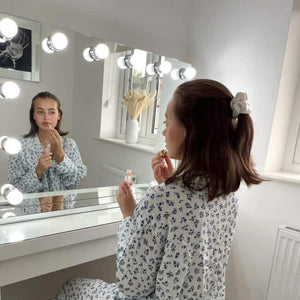
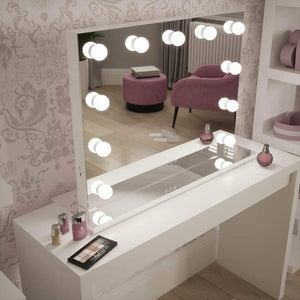
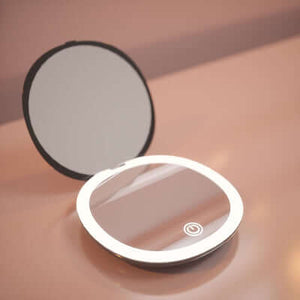
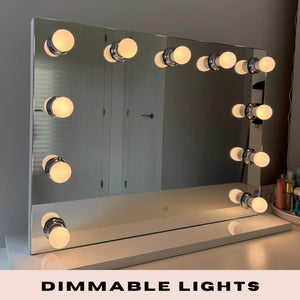
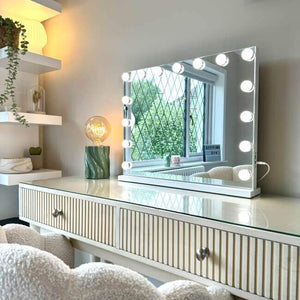
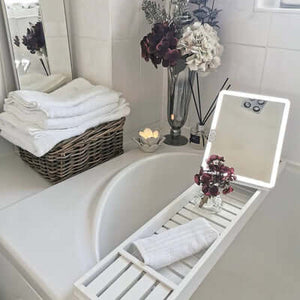
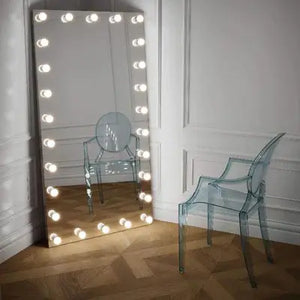
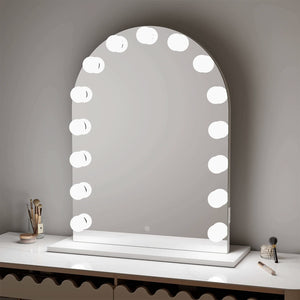
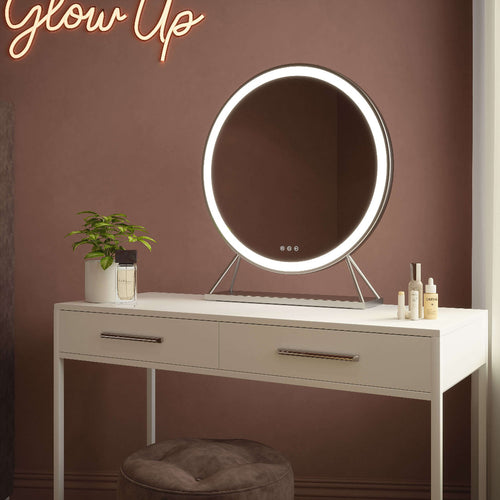
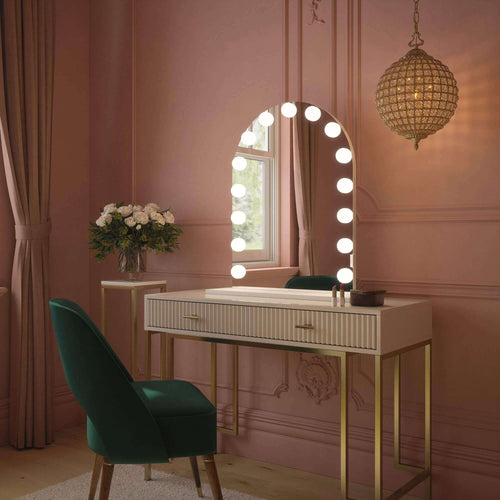
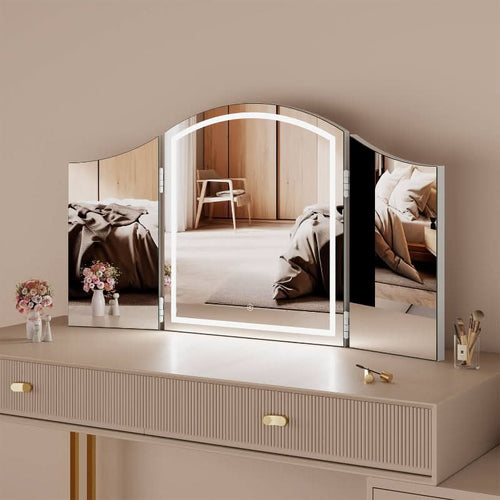
Mirror lighting: Improves visibility and reduces facial shadows during dressing, grooming, or applying makeup.
-
Floor lamps: Help brighten dark corners, unused areas, and spaces beside large furniture pieces.
Fixture placement remains as important as fixture selection. Even powerful fixtures can create uneven results when concentrated in a single area.
How Can Mirrors and Colors Increase Brightness?
Mirrors and light colors help rooms feel larger because they reflect available light rather than absorb it. These changes often deliver noticeable improvements without requiring structural modifications, especially in bedrooms with small windows or darker corners.
Mirror Placement
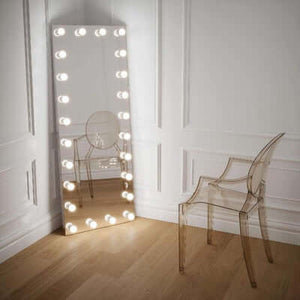
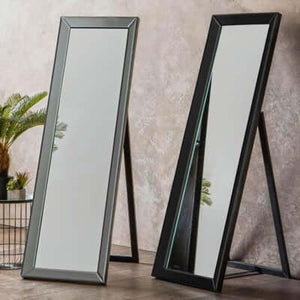
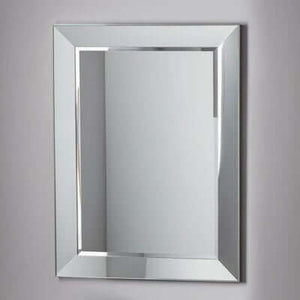
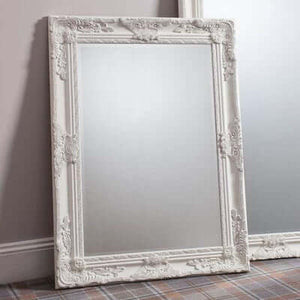
Mirrors work best when positioned opposite windows or near strong light sources. This placement allows them to reflect daylight into darker parts of the room. Full-length mirrors are particularly effective in dressing areas because they combine functionality with visual depth.
Example: A full-length mirror across from a window can reflect daylight deeper into a narrow bedroom or dressing area.
Light Paint Colors
Soft white, cream, light gray, and warm neutral shades reflect more light than darker colors. These finishes help walls appear farther away and create a brighter atmosphere throughout the room.
Example: Soft white walls with a light ceiling can make a compact bedroom feel taller and wider.
Reflective Finishes
Satin paint, glass furniture, polished metals, and mirrored surfaces contribute additional reflections. Small reflective elements often have a cumulative effect that makes the room feel noticeably brighter.
Example: A glass dressing table, chrome handles, or a satin-painted wardrobe can softly bounce light around the space.
What Lighting Mistakes Make Rooms Feel Smaller?
Several common lighting mistakes can reduce the perceived size of a bedroom or dressing area. Avoiding these issues often delivers faster results than purchasing new furniture or accessories.
-
Using one light source: Creates strong shadows because one ceiling fixture often lights the center while leaving corners and wardrobes too dark.
-
Blocking windows: Prevents natural light from reaching the room when heavy curtains, large furniture, or crowded sills cover the glass.
-
Choosing dark lampshades: Absorbs light around lamps and makes the room feel dimmer than it actually is.
-
Poor mirror placement: Reflects dark areas, clutter, or heavy furniture instead of windows and light sources.
-
Ignoring task lighting: Leaves dressing tables, wardrobes, and reading areas underlit during daily routines.
-
Using mismatched bulbs: Creates uneven color temperatures that make the room feel less balanced and organized.
-
Overdecorating surfaces: Adds clutter that interrupts light flow and creates small shadows across the room.
Addressing these issues helps create a cleaner and more spacious appearance without major renovation work.
Which Final Details Make the Room Feel More Open?
Final details can make a bedroom or dressing area feel larger by improving light flow and reducing visual distractions. Small adjustments often help connect the lighting, colors, and furniture already present in the room.
Light-Colored Textiles
Bedding, curtains, rugs, and upholstered furniture in lighter shades reflect more light than darker materials. These surfaces can help brightness spread more evenly throughout the room and soften the weight of larger furniture pieces.
Clear Surfaces and Open Sightlines
Crowded shelves, dressing tables, and windowsills create small shadows that interrupt light flow. Cleaner surfaces allow both natural and artificial light to move more freely across the room, make the layout easier to read, and help furniture feel less heavy in compact bedrooms and dressing areas.
Consistent Finishes and Decor
Rooms typically feel larger when furniture, hardware, and decorative elements follow a consistent color palette. Matching finishes reduces visual breaks and makes the space feel calmer, cleaner, and more connected.
Example: A bedroom with light bedding, clear windowsills, matching hardware, and simple decor will usually feel brighter and more open than the same room with dark fabrics, crowded surfaces, and mismatched finishes.
Conclusion
Better lighting can make a bedroom or dressing area feel significantly larger without changing its footprint. Natural light, layered illumination, carefully selected fixtures, reflective surfaces, and thoughtful mirror placement all contribute to a more open appearance.
The strongest results usually come from combining several improvements rather than relying on a single change. When light reaches every part of the room, the space feels brighter, more comfortable, and noticeably larger.
Liquid error (sections/article-template line 192): Invalid form type "95\n", must be one of ["product", "storefront_password", "contact", "customer_login", "create_customer", "recover_customer_password", "reset_customer_password", "guest_login", "currency", "activate_customer_password", "customer_address", "new_comment", "customer", "localization", "cart"]

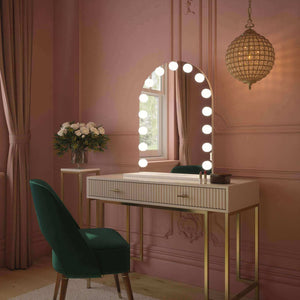

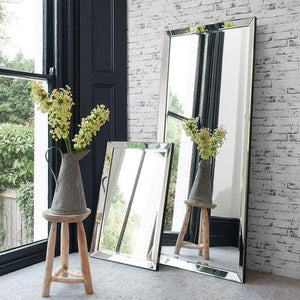

 Alicia Hollywood Mirror 60cmx80cm
 Angelina Full Length Arch Hollywood Mirror 160 x 60cm
 Angled Luna Mirror-Cheval Black
 Angled Luna Mirror-Cheval Silver