Travelling should leave you feeling refreshed, confident, and properly rested — not more overwhelmed than when you left home. Whether you're heading away for a wellness break, a city escape, or a special occasion, maintaining your beauty and self-care routines while travelling can make the entire experience feel calmer and far more restorative.
Yet for many travellers, constant notifications, compulsive scrolling, and late-night screen time recreate the same stress patterns they were trying to escape. After observing how these habits play out across different types of trips, a clear pattern emerges: travellers who create even a few boundaries around technology tend to feel more present, sleep better, and maintain their routines more easily while away from home.
A few small digital adjustments can completely change the way your trip feels.
Why Your Digital Behaviour Shapes Your Self-Care Experience
The way you engage with technology directly affects how rested, present, and mentally clear you feel while travelling. Constant notifications, reactive scrolling, and excessive screen time can interfere with sleep, relaxation, and even the small rituals that help you feel your best during a trip.
Whether it's a calm evening skincare routine, a slow morning getting ready, or simply creating space to unwind in your hotel room, your digital habits can either support or disrupt the restorative side of travel.
Habit 1: Set a Pre-Trip Digital Wind-Down Routine
How to reduce screen-driven stress before departure
The 48 hours before a trip are often the most digitally chaotic: last-minute emails, packing list searches, itinerary checks, and endless scrolling. Scaling back screen time during this window can meaningfully reduce stress before departure and help you arrive feeling calmer and more prepared.
Instead of spending the evening glued to your phone, try replacing screen time with reading, stretching, skincare, or simply slowing down before bed. Maintaining a more relaxed evening routine before travelling often makes the transition into holiday mode much easier.
Tools and app settings that automate your wind-down
You don't need willpower alone. Use your phone's built-in focus or scheduled downtime features to mute non-essential apps after a set hour. Set your email to out-of-office before you leave, so you're not mentally drafting replies at the airport.
These small automations remove friction and make disconnecting feel natural rather than forced.
Habit 2: Curate Your Travel Apps Before You Leave Home
The difference between helpful apps and digital clutter
When you're trying to maintain a calm beauty and self-care routine while travelling, the last thing you want is unnecessary digital clutter competing for your attention. Helpful travel apps serve a clear purpose: navigation, translation, accommodation bookings, or local recommendations. Everything else simply adds noise.
Security also matters when travelling, especially if you regularly connect to public Wi-Fi in airports, cafés, or hotels. For travellers who want a lightweight way to add privacy protection without complicating their setup, you can install ExpressVPN on iOS in a few minutes. Its streamlined interface, fast connection speeds, and reliable performance across different countries make it a practical addition for travellers who want to stay connected with less friction while moving between networks.
A simple pre-travel app audit: what to keep, delete, and download
Go through your phone a few days before departure. Keep navigation, translation, and essential booking apps. Delete or hide social platforms that tend to pull you in compulsively.
Download anything you need offline, such as Google maps or language packs, and add a trusted privacy tool to round out a thoughtful travel setup without introducing extra cognitive load.
Habit 3: Use Technology With Purpose, Not Out of Habit
Scheduling screen time so it supports your trip rather than distracting from it
Reactive technology use fragments attention in ways that go beyond inconvenience. A 2023 experience-sampling study tracking more than 700,000 smartphone interactions found that participants reported feeling significantly more distracted on days when their phone use was highly fragmented.
Decide in advance when you'll use your devices and for what purpose. Checking directions before a walk or confirming a dinner reservation are purposeful uses. Endless scrolling while getting ready in the morning or winding down at night usually isn't.
Choosing one communication window per day instead of constant availability
Designating a single daily window for messages and calls — perhaps thirty minutes in the early evening — keeps you connected without feeling consumed by your phone.
Let the people who matter know your plan in advance. Most situations that feel urgent genuinely aren't, and a brief daily check-in is almost always enough.
Habit 4: Protect Your Evening Self-Care Routine From Digital Distraction
Why poor sleep affects more than just your energy levels
Poor sleep undermines everything else you're trying to achieve on a restorative trip. It can affect your mood, focus, skin appearance, and overall sense of wellbeing, making it harder to fully enjoy the experience.
Late-night screen exposure often disrupts the calm routines that help travellers feel rested and refreshed the next morning.
Practical device rules for your accommodation that actually stick
Charge your phone outside the bedroom, or at minimum, place it face-down on silent across the room. Use a physical alarm clock like Alarmy if you need a wake-up call. Enable blue light filters at least an hour before sleep.
Research published inChronobiology in Medicine found that evening exposure to blue-enriched light can delay melatonin production and interfere with natural sleep timing, particularly when screen use continues close to bedtime.
Simple boundaries like these can make your evening routine feel calmer and help you sleep more deeply while away from home.
Habit 5: Build a Daily Digital Detox Window Into Your Itinerary
What a detox window looks like in practice
A digital detox window doesn't mean abandoning your phone entirely. It simply means scheduling two to three hours each day where screens are genuinely off the table.
Travellers who intentionally create these moments often find they enjoy the quieter parts of their routine more — whether that's getting ready slowly in the morning, relaxing after dinner, or taking time to unwind without distractions.
Offline habits that reinforce rest and relaxation
Journalling, reading, wandering without a destination, or sitting quietly in a café without checking notifications tend to become the moments people remember most.
Rather than hoping these slower moments happen naturally, build them into your itinerary the same way you would any other part of your day.
Habit 6: Document Mindfully Rather Than Compulsively
The difference between capturing memories and chasing content
There's a real difference between taking a photo because a moment genuinely matters to you and documenting everything automatically for social media. The second habit often keeps you mentally removed from your own experience.
Whether you're enjoying a beautiful dinner, a peaceful hotel morning, or taking time for your skincare and beauty routine before going out, not every moment needs to become content.
A simple framework: shoot once, experience fully, edit later
Take one considered photo, then put your phone away and stay present. Save editing, captioning, and posting for later in the evening — or after you return home.
Your memories will feel richer, and your trip will feel less performative and more restorative overall.
How to Make These Digital Habits Stick Beyond a Single Trip
The digital habits that support you while travelling can also improve your routines at home. After your trip, reflect on which practices helped you feel calmer, more rested, and more present.
A weekly digital wind-down evening, a screen-free self-care routine, or simply reducing distractions before bed can make everyday life feel less overwhelming too.
The best travel routines are often the ones that help you feel rested, confident, and comfortable in your own space — wherever you happen to be.
Liquid error (sections/article-template line 192): Invalid form type "38\n", must be one of ["product", "storefront_password", "contact", "customer_login", "create_customer", "recover_customer_password", "reset_customer_password", "guest_login", "currency", "activate_customer_password", "customer_address", "new_comment", "customer", "localization", "cart"]





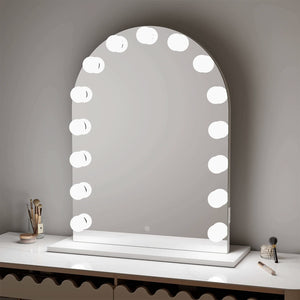
 Alicia Hollywood Mirror 60cmx80cm
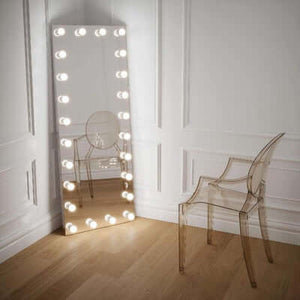
 Angelina Full Length Arch Hollywood Mirror 160 x 60cm
 Angled Luna Mirror-Cheval Black
 Angled Luna Mirror-Cheval Silver