We've all heard the phrase. But beauty sleep isn't just a saying - it's a genuine, well-documented physiological process, and the science behind it is far more interesting than most people realise. If you've ever noticed your skin looks dull, dry or older after a bad night, you weren't imagining it.
Sleep is when your skin does its most important work. According to the Sleep Foundation, cell production can more than double overnight - and the skin's peak time for repairing UV-damaged cells is in the early hours of the morning. The quality of that sleep, and the environment you sleep in, directly affects how well that process works.
Which is why your bedding deserves more attention than most people give it. Overheating overnight is one of the most common - and least discussed - disruptors of deep, restorative sleep. Conventional cotton and synthetic bedding traps heat and moisture against the body, keeping your temperature higher than it should be and interrupting the sleep stages when your skin is doing its best repair work. Bamboo bedding behaves very differently - naturally breathable and moisture-wicking, it regulates temperature throughout the night rather than fighting against it.
"We hear from so many customers who notice a difference in their skin after switching to bamboo. The breathability and moisture-wicking properties aren't just about comfort - they're about giving your skin the overnight environment it needs to actually recover and repair."
Richard Looms, Founder atLost Loom
Lost Loom make 100% bamboo bedding with the highest thread count available for bamboo in the UK - naturally hypoallergenic, antibacterial and temperature-regulating. Family-run and based in Cheltenham, they've been featured in Ideal Home and Women's Health, with a particularly loyal following among those who take their skin and sleep health seriously.
What the science actually says
The research on sleep and skin is unambiguous. A study published in Clinical and Experimental Dermatology found that sleep is vital in calibrating skin physiology - including surface pH, transepidermal water loss, blood flow and skin temperature. Disrupt that, and the effects show up quickly and visibly.
A clinical study highlighted by ScienceDaily, led by dermatologists at Case Western Reserve University, was among the first to conclusively demonstrate that inadequate sleep accelerates skin ageing and reduces the skin's ability to recover from environmental stressors. Poor sleepers showed increased signs of premature ageing and measurably slower recovery from UV exposure.
Research published on PubMed backed this up further, finding that chronic poor sleep quality was associated with increased signs of skin ageing, diminished skin barrier function and lower satisfaction with appearance, with good sleepers showing 30% reduced transepidermal water loss compared to poor sleepers.
The takeaway
Your skincare routine starts the night before. Cleanse, moisturise, apply your serums - but then consider what you're actually sleeping on and whether your sleep environment is supporting or undermining all of that work. The most effective addition to your routine might not come in a bottle.
Liquid error (sections/article-template line 192): Invalid form type "54\n", must be one of ["product", "storefront_password", "contact", "customer_login", "create_customer", "recover_customer_password", "reset_customer_password", "guest_login", "currency", "activate_customer_password", "customer_address", "new_comment", "customer", "localization", "cart"]

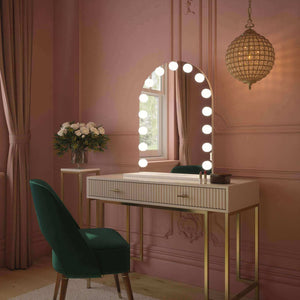


 Alicia Hollywood Mirror 60cmx80cm
 Angelina Full Length Arch Hollywood Mirror 160 x 60cm
 Angled Luna Mirror-Cheval Black
 Angled Luna Mirror-Cheval Silver