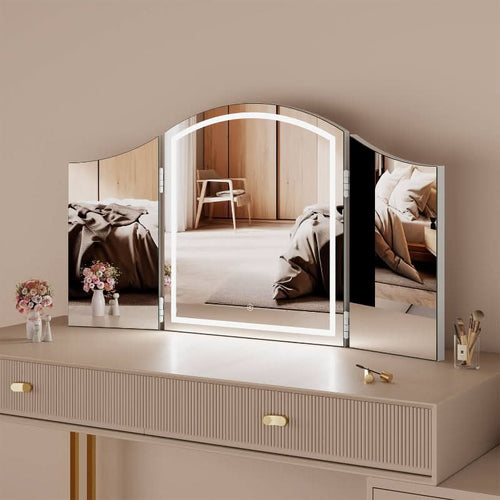
Creating a home that feels refined and elevated doesn’t have to mean filling it with statement pieces or spending beyond your means. In fact, the most luxurious interiors often rely on restraint, balance, and thoughtful detail rather than obvious displays of excess.
It’s about how a space feels to live in, not just how it looks at first glance. Here’s how to achieve that “expensive” feel in a way that still feels natural and comfortable.
Focus on Materials That Do the Heavy Lifting
One of the easiest ways to elevate a space is through the materials you choose.
Natural materials tend to look and feel more premium because they have depth, variation, and authenticity. Stone, wood, and linen all bring a sense of quiet quality that synthetic alternatives often lack.
For example, incorporating elements like marble flooring can instantly shift the tone of a room. Marble has a timeless quality that reflects light softly and adds a sense of permanence without needing bold styling around it.
When your base materials are strong, you don’t need to overdecorate.
Keep Your Colour Palette Controlled
A cohesive colour palette is a defining feature of high-end interiors.
Too many competing colours can make a space feel chaotic, while a more controlled scheme creates calm and continuity. Neutrals tend to work well as a base, with subtle variations in tone to add interest without overwhelming the room.
This doesn’t mean everything has to be beige or grey. It’s about choosing colours that complement each other and repeating them throughout the space so everything feels connected.
Invest in Fewer, Better Pieces
Luxury isn’t about quantity. It’s about intention.
Instead of filling your home with lots of smaller items, focus on a few well-chosen pieces that anchor each room. A well-made sofa, a solid dining table, or a statement light fitting can define a space far more effectively than multiple decorative items.
This approach also helps reduce clutter, which plays a big role in how “expensive” a home feels.
Pay Attention to Lighting
Lighting has a huge impact on how a space is perceived.
Layering different types of lighting, such as ambient, task, and accent lighting, creates depth and flexibility. It allows you to adjust the mood of a room depending on the time of day or how you’re using the space.
Avoid relying solely on harsh overhead lights. Softer, more considered lighting instantly makes a home feel more inviting and refined.
Let Texture Do the Work
Texture is often overlooked, but it’s one of the key elements that adds richness to a space.
Combining different textures, like smooth stone, soft fabrics, and natural wood, creates depth without needing bold colours or patterns. This layered approach makes a room feel more complete and thoughtfully designed.
The key is balance. Too many textures can feel busy, while too few can feel flat.
Choose Finishes That Age Well
An expensive-feeling home isn’t just about how it looks now; it’s about how it will look over time.
Materials that wear well and develop character tend to feel more premium than those that quickly show signs of wear. Natural stone, solid wood, and high-quality metals often improve with age rather than deteriorate.
This creates a sense of longevity and authenticity that’s hard to replicate with trend-driven choices.
Avoid Over-Styling
One of the most common mistakes is trying too hard to make a space look luxurious.
Too many decorative items, overly coordinated accessories, or excessive styling can have the opposite effect. High-end interiors often feel effortless because they aren’t overloaded with detail.
Let your materials, layout, and key pieces speak for themselves.
A Subtle Approach That Lasts
Making your home feel expensive isn’t about following strict rules or copying trends. It’s about understanding how different elements work together to create a cohesive, balanced environment.
When you focus on quality materials, thoughtful design, and simplicity, the result is a home that feels elevated without ever feeling overdone.
Liquid error (sections/article-template line 192): Invalid form type "29\n", must be one of ["product", "storefront_password", "contact", "customer_login", "create_customer", "recover_customer_password", "reset_customer_password", "guest_login", "currency", "activate_customer_password", "customer_address", "new_comment", "customer", "localization", "cart"]

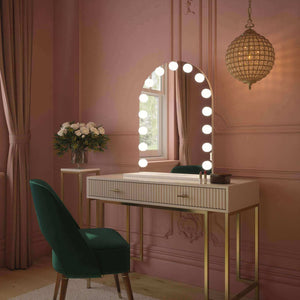


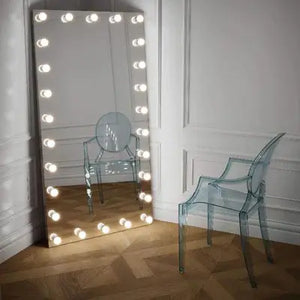
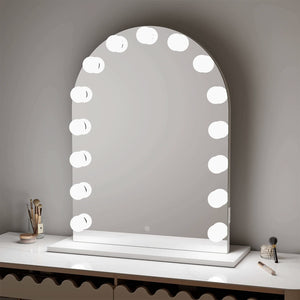
 Alicia Hollywood Mirror 60cmx80cm
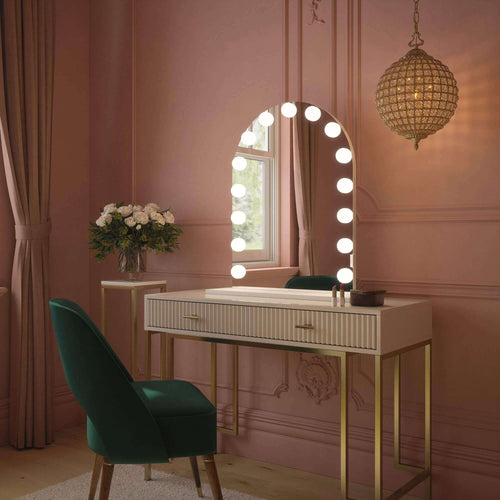
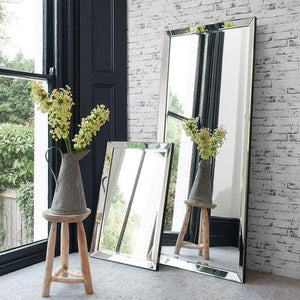
 Angelina Full Length Arch Hollywood Mirror 160 x 60cm
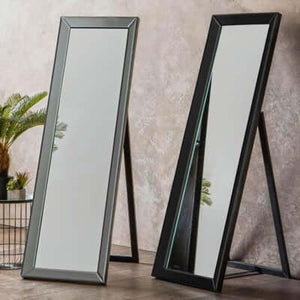
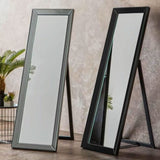 Angled Luna Mirror-Cheval Black
 Angled Luna Mirror-Cheval Silver