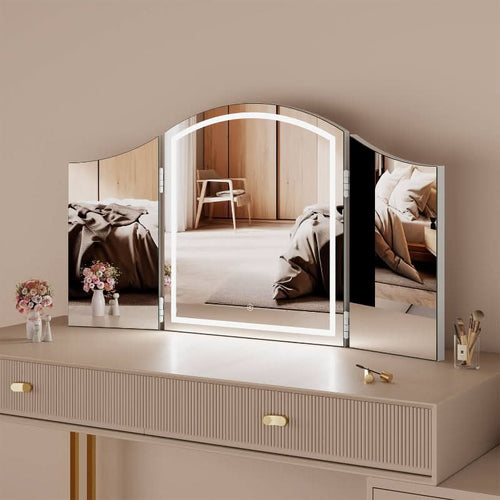
Modern interiors are often praised for their simplicity, but simplicity alone can sometimes feel flat. The real difference between a space that looks good and one that feels exceptional comes down to depth and glow. These are the elements that give a room atmosphere, movement and a sense of quiet sophistication.
Rather than adding more, the secret lies in layering what already exists in a way that feels intentional and balanced.
Depth Comes from Layering, Not Clutter
One of the biggest misconceptions in modern design is that more items create more interest. In reality, depth comes from how elements are combined.
Layering is a core principle in interior design because it prevents spaces from feeling cold or one-dimensional. By blending textures, materials and subtle contrasts, designers create rooms that feel rich without being overwhelming. This could mean pairing smooth surfaces with tactile ones, or mixing matte finishes with softer fabrics. The goal is not to add visual noise but to build quiet complexity that reveals itself over time.
Lighting Is What Creates the Glow
If depth is about structure, glow is about light. Lighting is one of the most powerful tools in interior design because it shapes how every surface is perceived.
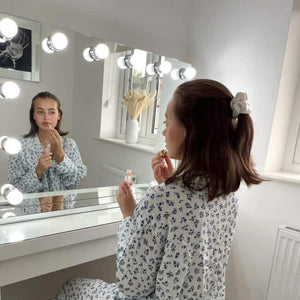
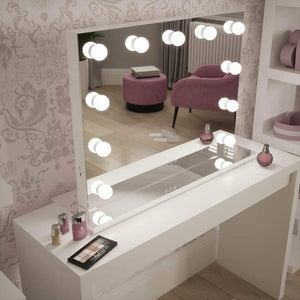
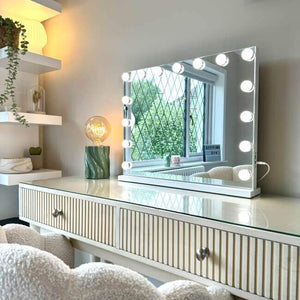
Layered lighting, combining ambient, task and accent sources, is essential for creating both depth and atmosphere. Instead of relying on a single overhead light, multiple sources at different levels create shadows, highlights and variation. This interplay between light and shade is what gives a space its glow. It softens edges, highlights textures and makes a room feel alive rather than static.
Natural Materials Add Quiet Dimension
Modern interiors often lean on neutral palettes, which makes material choice even more important. Without variation in texture, a neutral space can feel flat.
Natural materials introduce depth in a subtle but powerful way. Elements like wood, stone and woven fabrics bring tactile contrast and visual interest, making a space feel more grounded and engaging. The key is restraint. A few well-chosen materials, used thoughtfully, create far more impact than an overload of finishes competing for attention.
Contrast Is What Makes Everything Stand Out
Depth is often created through contrast rather than colour alone. This might be the contrast between light and dark, soft and structured, or warm and cool tones.
Even in minimalist spaces, introducing variation in surface finish or form can dramatically shift how a room feels. Matte finishes, for example, absorb light differently to glossy ones, creating a softer, more layered appearance that feels easier to live with. Contrast gives the eye something to move across, turning a flat composition into something dynamic.
Openness Enhances Both Depth and Light
Spatial design plays a major role in how depth and glow are experienced. Open, flowing layouts allow light to travel freely, creating natural gradients and soft transitions across a room.
Large glazed openings are particularly effective here. They bring in daylight, extend sightlines and blur the boundary between inside and outside. Enlisting the help of nowaluminium.co.uk makes it easier to achieve these expansive, light-filled designs, helping interiors feel brighter and more dimensional without adding extra elements.
The Balance Between Stillness and Movement
The most successful interiors strike a balance between calm and visual interest. Too little variation, and a space feels lifeless. Too much, and it becomes overwhelming.
Depth and glow sit right in the middle of that balance. They create a sense of movement through light, texture and contrast, while still maintaining the clean, composed feel that modern interiors are known for.
Why It All Works Together
Depth and glow are not created by a single feature. They emerge from the relationship between elements. Light enhances texture. Materials influence how light behaves. Layout determines how everything is experienced. When these factors are considered together, even the simplest space can feel layered, warm and visually engaging.
That is the real secret. Not adding more, but designing with intention so that every element contributes to a space that feels complete without ever feeling overdone.
Liquid error (sections/article-template line 192): Invalid form type "6\n", must be one of ["product", "storefront_password", "contact", "customer_login", "create_customer", "recover_customer_password", "reset_customer_password", "guest_login", "currency", "activate_customer_password", "customer_address", "new_comment", "customer", "localization", "cart"]

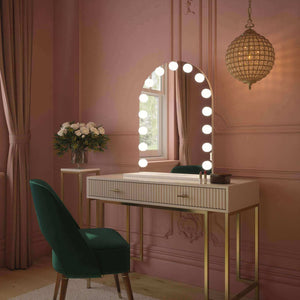

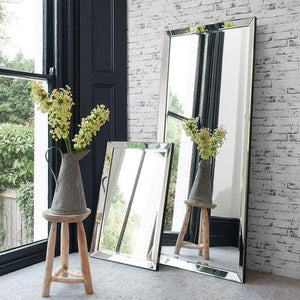

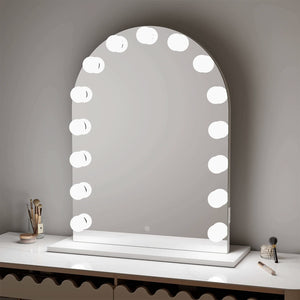
 Alicia Hollywood Mirror 60cmx80cm
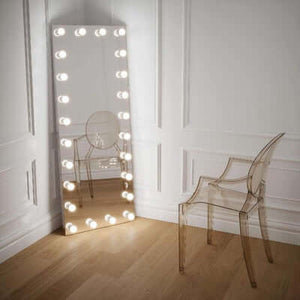
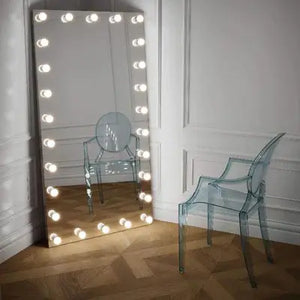
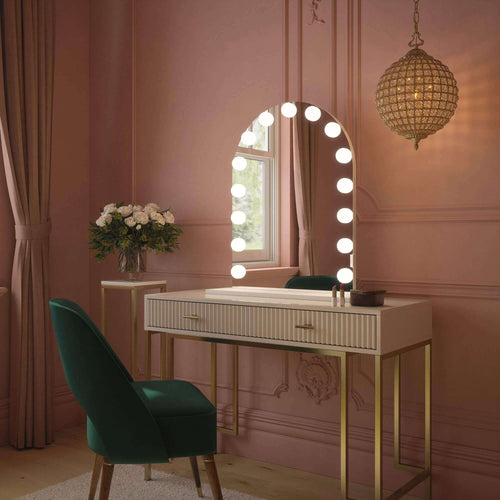
 Angelina Full Length Arch Hollywood Mirror 160 x 60cm
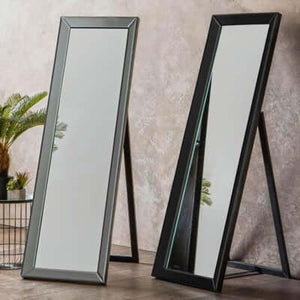
 Angled Luna Mirror-Cheval Black
 Angled Luna Mirror-Cheval Silver