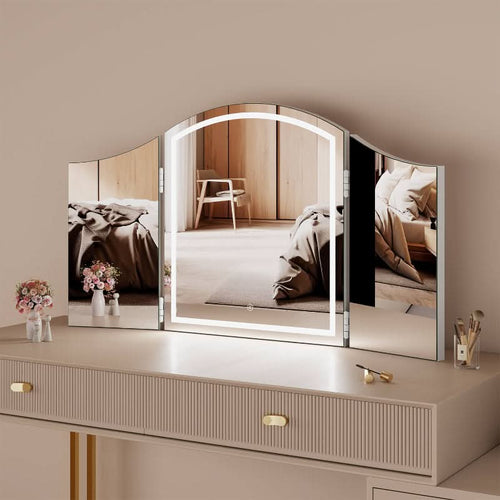
Why Do Your Teeth Look More Yellow in Some Mirrors?
Have you ever looked in your bathroom mirror and thought your teeth looked perfectly fine, only to catch your reflection somewhere else and wonder when they became so yellow?
Perhaps they look lovely and bright at your dressing table, but noticeably duller in the mirror at work. Or maybe you've spent ages getting ready, felt great about your appearance, then spotted yourself in a photo and started questioning your smile.
The good news? Your teeth probably haven't changed colour between breakfast and lunchtime.
What you're seeing is often down to something surprisingly simple: lighting.
It's Not Really the Mirror – It's the Light Around It
A mirror reflects what's in front of it, but the light illuminating your face has a huge influence on the colours you see.
Think about how different your skin looks in a softly lit restaurant compared with a brightly lit changing room. Your skin hasn't suddenly changed, but the lighting can make it appear warmer, paler or less even.
The same thing happens with your teeth.
Some lights give everything a golden tint, while others bring out cooler tones. Depending on the bulbs you're using, your teeth might appear creamy, bright white or slightly yellow.
It's one reason you can feel completely happy with your smile in one room and rather less enthusiastic about it in another.
Why Warm Lighting Can Make Teeth Look Yellow
Warm lighting is wonderful for creating a cosy atmosphere. It's the sort of soft, golden glow we love in bedrooms, living rooms and restaurants.
Unfortunately, it's not always the most reliable light for judging colour.
Warm bulbs, particularly those around 2700K to 3000K, produce light with a yellow or amber tone. This can influence how white objects appear, including your teeth.
If you've ever checked your smile under a bathroom light late at night and thought it looked yellower than usual, the bulb could be partly responsible.
Interestingly, warm lighting can be very flattering to your skin while making it harder to judge the actual colour of your teeth. So although it's perfect for relaxing in the evening, it's not necessarily the lighting to trust when deciding whether your smile needs brightening.
Does Cool White Lighting Make Teeth Look Whiter?
Sometimes, yes.
Cooler lighting contains more blue tones, which can change how we perceive white surfaces. Under certain cool white bulbs, your teeth may appear brighter or less yellow than they do under warmer light.
But there's a catch.
Very cool lighting can also make your skin look washed out or emphasise shadows. And not all white LED bulbs reproduce colours equally accurately.
This is why simply choosing the coolest, brightest bulb available isn't always the answer.
For checking your makeup, skin tone or smile, you want lighting that shows colours naturally rather than making everything appear warmer or cooler than it really is.
So Which Mirror Shows Your Real Tooth Colour?
If you're genuinely curious about the colour of your teeth, try looking at them in natural daylight.
Stand near a window during the day, facing the incoming light rather than having it behind you. Avoid direct, harsh sunlight, which can create glare and strong shadows.
You'll generally get a more balanced impression of your smile than you would under a yellow bedside lamp or a harsh bathroom spotlight.
Of course, natural daylight isn't always available, especially during a British winter when many of us leave the house and return home in the dark.
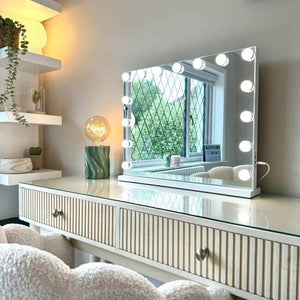
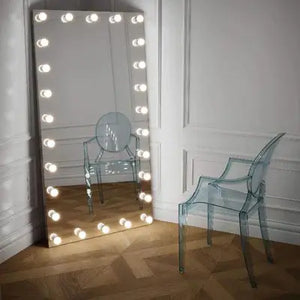
That's where a good illuminated makeup mirror comes in handy.
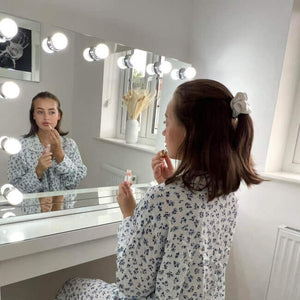
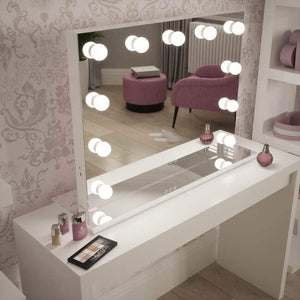
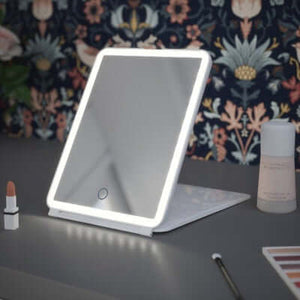
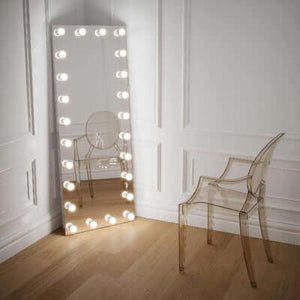
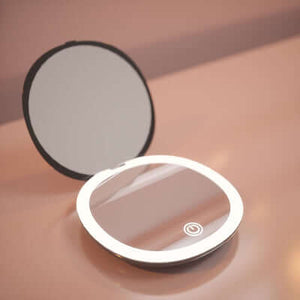
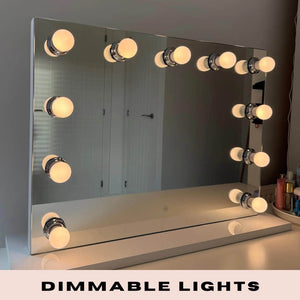
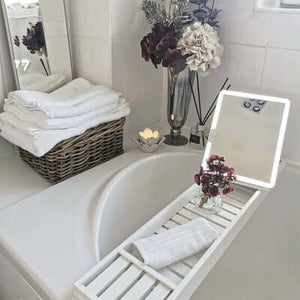
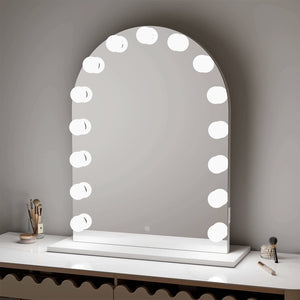
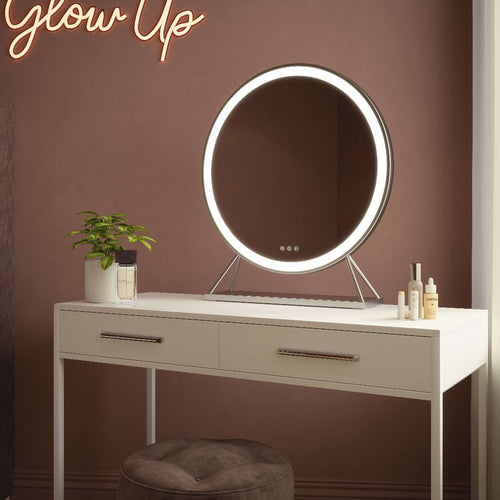
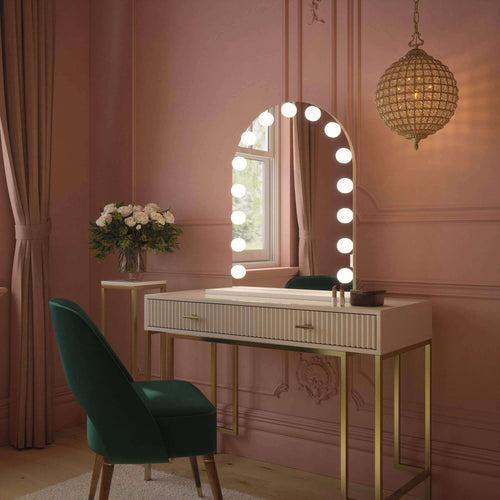
A Hollywood-style mirror with adjustable LED lighting allows you to switch between warm, neutral and cool settings. If your mirror has a daylight setting and good colour rendering, it can provide a useful, consistent view of your appearance.
Try looking at your teeth under each setting. You may be surprised by how much their apparent shade changes without you moving an inch.
Just remember that even the best mirror is no substitute for a professional dental shade assessment.
Your Lipstick Could Be Changing How White Your Teeth Look Too
Lighting isn't the only thing influencing your smile. Your makeup can play a part as well.
Ever noticed how one lipstick makes your teeth look beautifully white while another seems to bring out every hint of yellow?
It comes down to colour contrast.
Lipsticks with cooler, blue-based undertones can sometimes make yellow tones in teeth appear less noticeable. Certain warmer shades, especially orange-based reds and corals, can have the opposite effect.
That doesn't mean you need to throw away your favourite peach lipstick. It's simply worth knowing that the colours around your smile affect how you perceive it.
And it isn't just lipstick. Your skin tone, clothing and even the background behind you can change the way your teeth look.
If you're experimenting with makeup shades, try checking them in both your dressing table mirror and natural daylight before making up your mind.
Why Do Teeth Look Yellow in Some Photos?
Here's another familiar scenario: your teeth look white in the mirror, but in a photograph they seem noticeably yellower.
Before blaming your toothbrush, consider what your phone camera is doing.
Smartphone cameras automatically adjust exposure, contrast and white balance to suit the lighting conditions. Sometimes those adjustments are helpful. Other times they can make colours appear quite different from how they look in person.
Indoor photographs taken under warm lighting can exaggerate yellow tones. Flash photography can create bright reflections on your teeth, while shadows may make certain areas look darker.
Filters and automatic photo enhancements add yet another layer of uncertainty.
So if you dislike the colour of your teeth in one particular photograph, don't assume it's an accurate representation of your smile.
Try looking at several photos taken in different lighting conditions. Chances are you'll notice quite a difference.
But What If Your Teeth Really Are Getting Yellower?
Of course, lighting isn't responsible for every change in tooth colour.
Teeth naturally come in different shades, and very few people have the brilliant white teeth we regularly see in advertisements or heavily edited social media photographs.
It's also normal for teeth to become more yellow with age.
The outer enamel is partly translucent, allowing some of the naturally yellowish dentine underneath to show through. As enamel changes over time, that underlying colour can become more noticeable.
Everyday habits can contribute too.
Coffee, tea, red wine and tobacco are common causes of staining. Even with a good brushing routine, stains can gradually build up, particularly in areas that are harder to clean.
If the yellow appearance remains consistent whether you're standing in daylight, looking in your dressing table mirror or checking a photograph, it may be your natural tooth shade or genuine discolouration rather than a lighting trick.
If you'd like a brighter smile, it's worth speaking with a dental professional about your options.
For example, London-based Glow Dental offers professional teeth whitening, including dentist-supervised home whitening treatments. A dentist can assess the cause of discolouration and advise whether whitening is suitable for your teeth.
One thing to bear in mind is that whitening treatments work on natural teeth, not existing crowns, veneers or fillings. That's another reason to seek professional advice rather than choosing a whitening product based on how your teeth happen to look in one mirror.
And if a single tooth suddenly becomes darker than the others, it's best to have it checked rather than assuming the change is cosmetic.
A Simple Way to Check Your Smile at Home
Next time you think your teeth look unusually yellow, try a little experiment before worrying about it.
First, look at your smile in your usual bathroom mirror. Notice the type of lighting and whether it has a warm or cool tint.
Next, move to a window where you can see yourself in soft, natural daylight.
Finally, if you have an illuminated dressing table mirror, switch between its lighting settings and compare the results.
You don't need to analyse every tooth or spend twenty minutes staring at your reflection. The idea is simply to see how much lighting can influence the colour you perceive.
You might discover that the teeth you thought looked yellow in your bathroom are perfectly natural-looking by the window.
Or you may notice that a particular bulb is making your makeup, skin and smile look warmer than they actually are.
Either way, it's useful information to have.
The Best Lighting for Your Everyday Beauty Routine
If you're setting up a dressing table or replacing your bathroom lighting, it's worth thinking beyond how attractive the mirror looks when it's switched off.
Good lighting makes everyday routines easier, from applying foundation and blending eyeshadow to checking your hair and seeing your smile clearly.
Ideally, look for lighting that:
- Illuminates your face evenly, without strong shadows.
- Offers adjustable brightness for different times of day.
- Includes a neutral or daylight-style setting.
- Has good colour rendering, so makeup and natural skin tones appear more accurate.
- Sits in front of you or around the mirror, rather than shining only from directly overhead.
You don't need your dressing area to resemble a professional photography studio. A well-positioned mirror with balanced lighting can make a noticeable difference.
And having the option to adjust the light means you can enjoy a softer glow while getting ready for an evening out, then switch to something more natural when you're checking the finer details.
The Bottom Line
If your teeth look white in one mirror and yellow in another, don't panic. It's entirely possible that the difference comes down to the lighting rather than your teeth.
Warm bulbs, cool LEDs, natural daylight, lipstick shades and phone cameras can all change how your smile appears.
The next time you catch an unflattering reflection, try changing the light before deciding something needs fixing.
After all, your smile hasn't changed just because you've walked into another room. And sometimes, the only thing that needs adjusting is the lighting.
Liquid error (sections/article-template line 192): Invalid form type "84\n", must be one of ["product", "storefront_password", "contact", "customer_login", "create_customer", "recover_customer_password", "reset_customer_password", "guest_login", "currency", "activate_customer_password", "customer_address", "new_comment", "customer", "localization", "cart"]

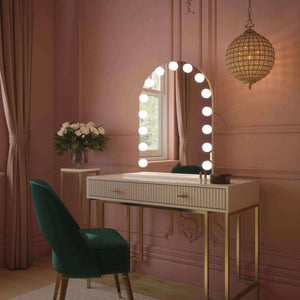


 Alicia Hollywood Mirror 60cmx80cm
 Angelina Full Length Arch Hollywood Mirror 160 x 60cm
 Angled Luna Mirror-Cheval Silver
 Anne Round Hollywood Mirror Gold 60x67CM