Mirrors have been linked to spirituality for thousands of years. The oldest known mirrors, made of polished obsidian, date back to around 6000 BC and were found at Çatalhöyük, a Neolithic settlement in present-day Turkey.
Superstitious beliefs regarding the powers that are associated with the mirror have been carried forward throughout all the eras that followed.
Some of these beliefs explain traditions people still follow today, such as covering mirrors after someone dies. Others shape how people decorate their homes. Once you know where each idea comes from, you can decide which ones are worth keeping.
Why Mirrors Feel Spiritually Significant
In many ancient cultures, a reflection meant something deeper. People believed a mirror could show a person’s soul, so a distorted reflection hinted at a problem within it. Even the word hints at this idea: “mirror” comes from the Latinmirari, meaning “to wonder at” or “to admire."
Over time, mirrors became symbols of self-knowledge. That’s why spiritual writing so often uses the mirror as a metaphor for the moment someone sees an uncomfortable truth about themselves. Because the symbol is so personal, a mirror moment in your life can be hard to read. A mirror that cracks during a tough time, or one that keeps showing up in your dreams, can feel significant even when you can’t say why.
Generic symbol lists can’t tell you what that moment means in the context of your life, and talking it through often helps. A Nebula spiritual reader can listen to what’s been happening and use tarot, astrology, or intuitive methods to explore what the mirror might be pointing to. The reading offers a perspective, and you decide which parts ring true for you.
Seen this way, a mirror moment could prompt you to pause and consider where you are right now.
What Old Beliefs and Customs Say About Mirrors
Belief in soul connection also made breaking a mirror feel dangerous. Glass mirrors became more common in Roman times, and the belief that a broken one could trap a piece of your soul often traces back to that era. According to the story, the soul stayed damaged until the body renewed itself, which people thought happened every seven years. That idea gave rise to the saying "seven years of bad luck." People soon developed remedies, and some wouldgrind the shards into dust so the damaged reflection could never be seen again.
Grieving families in many cultures shared a related worry: that a spirit could get trapped in the glass. During the Victorian era, the English and Americans draped their mirrors in black fabric. In some German and Belgian regions, they preferred white. Chinese families either draped the mirror or turned it so it faced the wall. Many Jews still cover their mirrors for seven days after a death in the family, called shiva.
These customs came from care and respect, which is why so many people keep them. You can honour them without treating every crack in the glass as a warning.
How Mirrors Are Believed to Move Energy
Feng shui has an alternate way of approaching mirrors. In this view, a mirror directs the flow of energy within a home. In the Chinese practice, chi flows within each room, moving from one to another. Mirrors are believed to redirect this flow, with added effect.
A mirror near a bright window spreads light across a room. However, mirrors that face crowded corners exaggerate the clutter. So, stand in each doorframe and note what catches your eye first in each mirror's reflection. You should notice obvious examples in hallways and entryways because visitors see these first. Before you move a mirror, take a moment to notice what it’s currently reflecting. If a mirror does crack, the practical step is to take it down, wrap the pieces carefully, and replace it. That’s safer, and many people simply feel calmer with an unbroken mirror on the wall.
Where to Place Mirrors in Your Home
The front door is considered the main entry point for chi in feng shui, so it’s the obvious place to start. Many feng shui practitioners advise against hanging a mirror
directly opposite the entrance, as it’s thought to push incoming energy right back outside. A side wall near the door is the usual alternative.
Bedrooms are another matter entirely. You’re there to rest, and a mirror watching you from the wall can work against that. Old advice says a mirror facing the bed keeps the room from ever settling down, and most feng shui consultants agree: put it where you can’t see it from the bed. Inside a wardrobe door, round a corner, wherever.
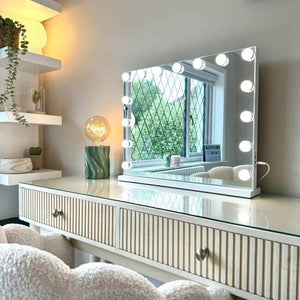
Elsewhere, think about what the mirror will show you. A window on the far wall? Good, now you've got two of them. A shelf with a healthy plant on it? Also good. People can get very particular about this, but a painting you love opposite the glass works just as well. All the mirror needs is something worth reflecting.
If you're starting from scratch, sort out the door and the bed before anything else. Those are the placements people worry about most. For every other mirror, the rule above works: give it something you like to look at.
Finding the Mirror Beliefs That Fit You
You don’t have to accept every belief about mirrors. Still, they’ve meant something to people for thousands of years, and the beliefs that last often carry some common sense, whether that’s honouring grief or making a home feel calmer. Keep the ones that fit your values. Next time you walk past a mirror at home, notice what it shows you and ask yourself whether you’d like to see more of it.
Liquid error (sections/article-template line 192): Invalid form type "63\n", must be one of ["product", "storefront_password", "contact", "customer_login", "create_customer", "recover_customer_password", "reset_customer_password", "guest_login", "currency", "activate_customer_password", "customer_address", "new_comment", "customer", "localization", "cart"]

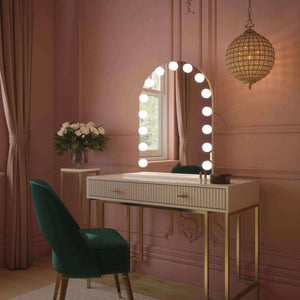

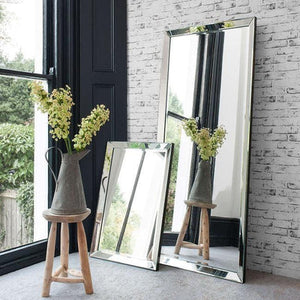

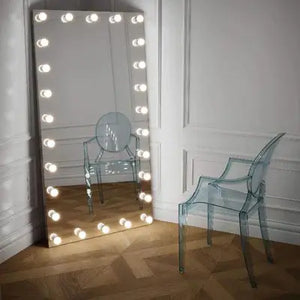
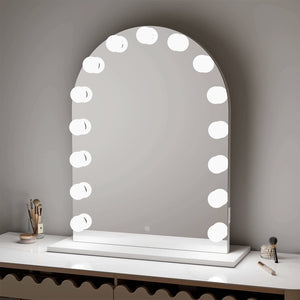
 Alicia Hollywood Mirror 60cmx80cm
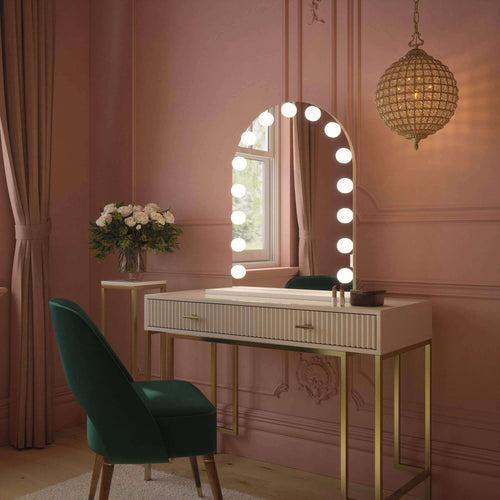
 Angelina Full Length Arch Hollywood Mirror 160 x 60cm
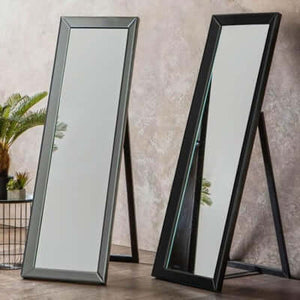
 Angled Luna Mirror-Cheval Silver
 Anne Round Hollywood Mirror Gold 60x67CM