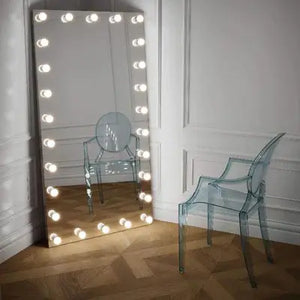
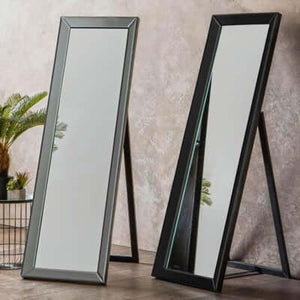
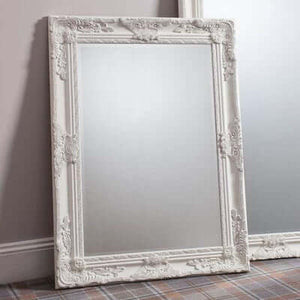
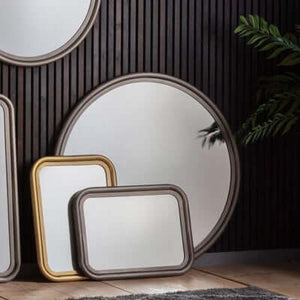
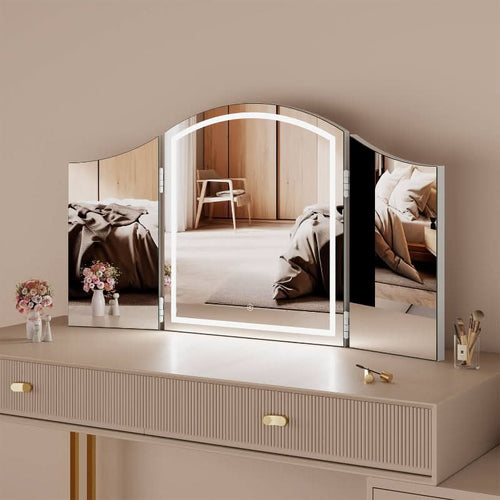
Choosing where to hang a mirror usually starts with the wall, its size, and the furniture nearby. Yet there is another part of the decision that can have an equally strong effect on the room. A mirror creates a second view of whatever sits opposite it. When choosing decorative wall mirrors, it helps to think about that reflected scene as part of the décor itself. A good position can repeat natural light, greenery, artwork, or an architectural feature and make the room feel more considered.
Look at the View Before the Wall
An empty wall may seem like the obvious place for a mirror, but the view from that wall matters too. Before hanging anything, stand where the mirror will go and look in the opposite direction. That is roughly what will become part of the reflection.
If the view contains a window, an attractive piece of furniture, or a well-styled area, the mirror can give that feature more presence. If it faces storage, a busy doorway, or an area where clutter tends to gather, the result may feel less calm. Thinking about both sides of the room can lead to a better position than considering the empty wall alone.
Use Windows to Extend Natural Light
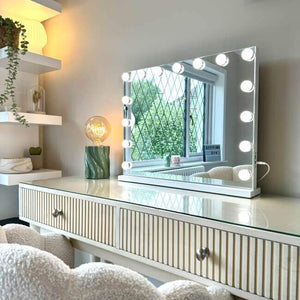
A mirror placed near or across from a window can help daylight travel visually through a room. The effect can be especially useful in spaces where natural light enters from only one direction.
The position does not need to be perfectly opposite the window. In some rooms, an angled or nearby placement creates a softer reflection while still capturing part of the outdoor light. Pay attention to what else appears in the view. A mirror that reflects both daylight and an appealing outdoor scene can become a changing feature as the light shifts through the day.
Give Artwork a Second View
Artwork can make an interesting reflection, particularly when the mirror sits where the original piece is not immediately visible. The reflected image creates a connection between different parts of the room and can make a favorite work feel more present.
This approach works best when the artwork has enough visual space around it. A busy gallery wall reflected alongside shelves, furniture, and other objects may create more detail than the room needs. One strong painting or a simple arrangement often gives the mirror a clearer scene to repeat.
Let Greenery Appear Twice
Plants, branches, and flowers work especially well in reflections because their shapes bring softness to a room. A mirror can repeat that greenery without adding another object to the space.
A large plant near a window may become even more noticeable when it appears in a mirror across the room. A vase of branches on a console can have a similar effect on a smaller scale. Since plants change as they grow and flowers vary through the seasons, the reflected view can also evolve without requiring changes to the mirror itself.
Think About Lighting After Dark
A mirror's reflection changes when daylight fades. Lamps, sconces, pendants, and other fixtures may become much more prominent in the evening, so it is worth checking the proposed mirror position at night as well as during the day.
A reflected lamp can add a warm point of light and give the room more depth. At the same time, a very bright exposed source may cause uncomfortable glare when viewed through a mirror. Looking at the space under its usual evening lighting can reveal whether the reflection feels soft and inviting or needs a small adjustment.
Use Architecture as Part of the Picture
Some rooms already contain details worth repeating. An arched doorway, fireplace, staircase, ceiling feature, or interesting trim can become part of the mirror's composition.
This can work well when the mirror itself has a shape that relates to the architecture. A curved frame may pick up an arch elsewhere in the room, while a tall rectangular mirror can emphasize vertical lines. The reflected feature and the mirror do not need to match. A subtle relationship between their forms is often enough to make the placement feel intentional.
Watch for Clutter in the Reflection
Mirrors do not select the attractive parts of a room. They repeat everything within their view, including objects that people may prefer not to emphasize.
Open storage, cables, crowded surfaces, laundry areas, and busy workspaces can become more noticeable when reflected. This does not mean the room needs to look perfect. It means the mirror should support the way the space is normally used. If the reflected view constantly feels busy, moving the mirror a short distance or changing its angle may improve the result.
Check the View From More Than One Seat
A mirror may look well placed when you stand directly in front of it, yet rooms are usually experienced from many positions. Sit on the sofa, walk through the doorway, or look toward the mirror from a dining table. Each position may reveal a different reflection.
This is especially important in open-plan rooms, where a mirror can be visible from several areas. Testing those sightlines before fixing it permanently can help avoid awkward views and identify the position that gives the room the strongest visual connection.
Treat the Reflection as Part of the Décor
The frame, shape, and scale of a mirror deserve careful thought, but the image inside the frame matters too. A mirror effectively places part of the opposite side of the room onto the wall where it hangs.
That makes placement a creative decision rather than simply a practical one. A reflection can bring daylight deeper into the visual composition, repeat a favorite object, highlight architecture, or add greenery and warm evening light. When both the mirror and its reflected view receive attention, the result can feel more connected to the room as a whole.
Liquid error (sections/article-template line 192): Invalid form type "51\n", must be one of ["product", "storefront_password", "contact", "customer_login", "create_customer", "recover_customer_password", "reset_customer_password", "guest_login", "currency", "activate_customer_password", "customer_address", "new_comment", "customer", "localization", "cart"]

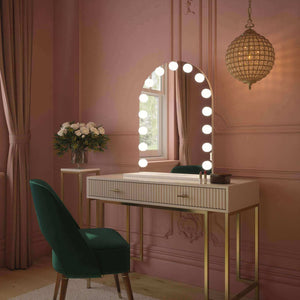


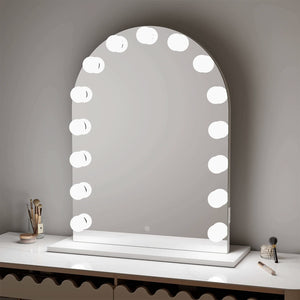
 Alicia Hollywood Mirror 60cmx80cm
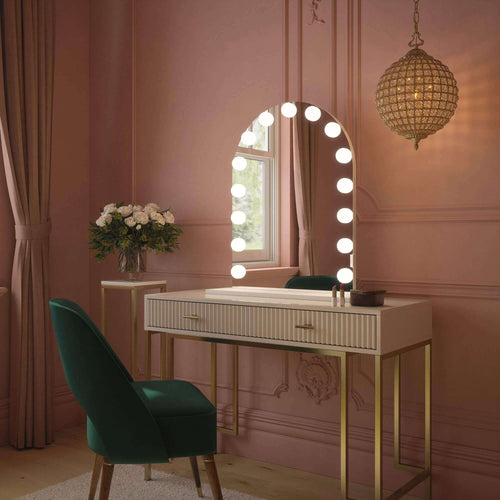
 Angelina Full Length Arch Hollywood Mirror 160 x 60cm
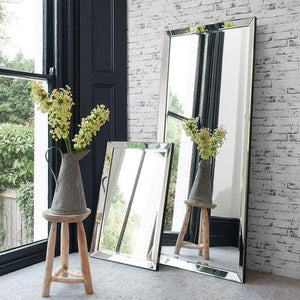
 Angled Luna Mirror-Cheval Silver
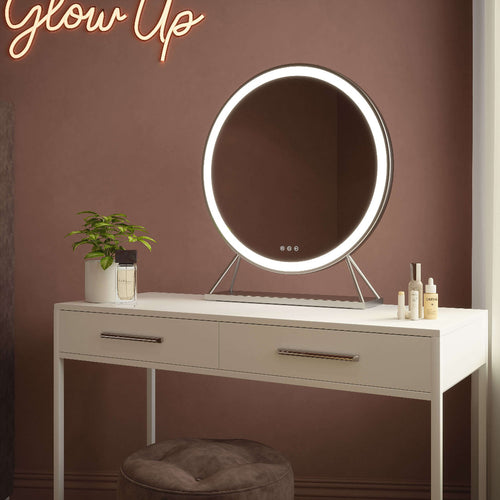
 Anne Round Hollywood Mirror Gold 60x67CM