![]()
Dark countertops are one of the most common complaints in U.S. kitchens, even after homeowners “upgrade the lights.” The reason is simple: overhead fixtures often throw your body’s shadow directly onto the work surface. Under-cabinet lighting is the fix, but only if it is installed and chosen correctly.
This guide breaks down the most frequent under-cabinet lighting mistakes that lead to gloomy counters, plus practical corrections that do not require a full kitchen renovation.
Why Countertops Still Look Dark (Even With Bright Ceiling Lights)
Ceiling lighting is great for general brightness, but it rarely lands where you actually chop, prep, and read labels. When the light comes from behind or above you, your head and shoulders block it, and the counter stays dim.
Under-cabinet lighting works because it places light in front of you, aimed directly at the task surface. The problem is that many under-cabinet installs miss the target.
Mistake #1: Installing the Light Too Far Back
If the strip or puck is mounted near the wall, it lights the backsplash beautifully but leaves the front edge of the countertop in shadow. That front edge is where most prep happens.
Fix
-
Mount strips closer to the cabinet front, typically about 1–2 inches behind the cabinet face frame.
-
If you have a lip or recessed cabinet bottom, aim for a position that throws light forward, not straight down the wall.
A small shift in placement can make your countertop feel “new” without changing anything else.
Mistake #2: Using Puck Lights That Create Hot Spots
Puck lights can look fine on display, but in real kitchens they often create bright circles with dim gaps between them. That uneven pattern is one reason countertops still feel inconsistent and shadowy.
Fix
-
Use linear LED strips or light bars for a smooth wash of light along the full counter run.
-
If you must use pucks, space them carefully and choose diffused lenses to soften hotspots.
Mistake #3: Choosing the Wrong Color Temperature
Under-cabinet lighting that is too cool can make kitchens feel clinical, while lighting that is too warm can make food prep feel dim or yellow. The best choice depends on your cabinet and countertop colors, but most U.S. kitchens land in a predictable range.
Fix
-
Most kitchens: 3000K–3500K for a clean but residential feel.
-
Very modern kitchens with lots of white: up to 4000K can work if the rest of the house is not extremely warm.
-
Open concept: keep under-cabinet lighting close to the Kelvin of nearby living/dining areas so the spaces do not clash.
Mistake #4: Not Matching the Under-Cabinet Light to the Ceiling Light
A common “why does my kitchen look weird at night?” moment happens when the ceiling light is warm (2700K–3000K) and the under-cabinet strip is cool (4000K–5000K). The countertop ends up looking like it belongs to a different room.
Fix
-
Match Kelvin as closely as possible across ceiling, pendants, and under-cabinet lighting.
-
If you want a slightly whiter task zone, keep it one step higher (example: 3000K ceiling, 3500K under-cabinet), not two steps higher.
Mistake #5: Too Little Light Output (Then You Blame the Countertop)
Some under-cabinet products look bright in packaging but are underpowered in real kitchens, especially with darker counters. Low output makes shadows obvious and food prep uncomfortable.
Fix
-
Choose task lighting that is clearly designed for countertops, not just “accent glow.”
-
For long counter runs, use continuous strips or multiple light bars rather than one short segment.
-
Add dimming control so you can run brighter for cooking and softer for late-night ambiance.
Mistake #6: No Diffuser, So You See Glare From Standing Height
If the LEDs are exposed, you may see harsh points of light when you walk through the kitchen, especially in open layouts. That makes the kitchen feel harsh and can create reflections on glossy counters.
Fix
Mistake #7: Skipping Corners and Sink Areas
Many kitchens have the worst shadows at the sink, in corners, or near appliances where cabinets stop and start. If you only light the easy straight runs, the “dark countertop” issue remains.
Fix
-
Plan under-cabinet lighting by work zones: sink, prep area, coffee station, and cooking zone.
-
Use connectors or separate segments to keep coverage consistent around corners.
Mistake #8: Forgetting the Switch Location and Controls
Under-cabinet lighting is only helpful if you actually use it. If the switch is awkward, people stop turning it on. Then the kitchen returns to shadowy counters, even though the lights exist.
Fix
-
Use a simple, easy-to-reach switch near the main kitchen entry point.
-
Consider smart plugs, smart switches, or motion triggers for early morning and late-night use.
-
Group under-cabinet lights separately from overhead fixtures so you can run task lighting without blasting the whole kitchen.
A Simple Under-Cabinet Lighting Setup That Works in Most Kitchens
If you want a reliable approach that solves dark counters in many U.S. kitchens:
-
Use linear LED strips or bars (not only puck lights) for even coverage.
-
Mount lights closer to the cabinet front edge to brighten the full counter depth.
-
Choose 3000K–3500K in most kitchens, and match the ceiling lighting as closely as possible.
-
Add a diffuser to reduce glare and reflections.
-
Use dimming or a separate switch so task lighting is easy to turn on and adjust.
Want a Kitchen That Feels Brighter Without Feeling Harsh?
Under-cabinet lighting is one of the highest impact changes you can make in a kitchen because it fixes the exact place you work every day. Once the countertop is evenly lit, cabinets look cleaner, backsplashes show more detail, and the entire kitchen feels more usable.
If you are planning broader lighting upgrades across your kitchen and nearby rooms, you can explore Seus Lighting for complete home lighting. Coordinating ceiling fixtures, pendants, and task lighting with a consistent plan is how kitchens go from “still dark” to genuinely bright.
Liquid error (sections/article-template line 192): Invalid form type "79\n", must be one of ["product", "storefront_password", "contact", "customer_login", "create_customer", "recover_customer_password", "reset_customer_password", "guest_login", "currency", "activate_customer_password", "customer_address", "new_comment", "customer", "localization", "cart"]

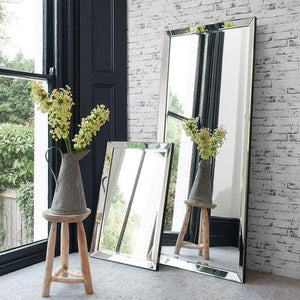

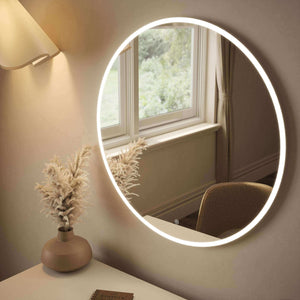
 Alicia Hollywood Mirror 60cmx80cm
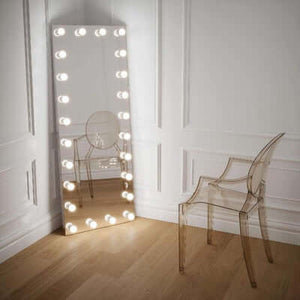
 Angelina Full Length Arch Hollywood Mirror 160 x 60cm
 Angled Luna Mirror-Cheval Black
 Angled Luna Mirror-Cheval Gray