Cold mornings have a way of making small things annoying. One of the most common? Stepping out of a hot shower and not being able to see your own face.
The mirror fogs instantly. Steam hangs in the air. You wipe it once, and it clouds back up again. It’s not dramatic, but it’s irritating—especially when you’re trying to get ready and the house still feels half asleep.
Foggy mirrors aren’t random. They usually point to a few predictable issues that show up more in winter.
Why Bathroom Mirrors Fog So Easily
Fog happens when warm, moist air hits a cold surface. In winter, bathroom mirrors are often much colder than the air created by a shower. The glass doesn’t warm up fast enough, so moisture sticks to it.
Cold mornings make this worse. Overnight temperatures cool the mirror, the walls, and sometimes the entire room. When the shower starts pumping out steam, the temperature gap is already working against you.
Ventilation matters here too. If moist air can’t escape, it lingers. The mirror stays fogged longer than it should.
Fast Fixes That Help in the Moment
If the goal is simply seeing clearly right now, a few small changes help more than people expect.
Turning the exhaust fan on before the shower gives moisture a place to go early. Cracking the bathroom door can help too, even slightly.
Air movement makes a difference. In colder climates, recurring fog can also hint at uneven heat, which is why issues like Denver HVAC furnace repair often come up in conversations about winter condensation.
Wiping the mirror once with a microfiber cloth or squeegee right after showering works better than repeated swipes later. Some people use shaving cream or a light soap solution as a temporary anti-fog layer. It’s not permanent, but it can buy time.
These fixes work, but they’re still reactive.
Longer-Term Ways to Reduce Fog
If mirror fog is an everyday thing, it’s worth thinking bigger.
Demister pads are one option. They install behind the mirror and gently warm the glass so condensation doesn’t form as easily. They’re especially useful in bathrooms that don’t heat evenly.
Ventilation upgrades matter too.A weak or aging exhaust fan won’t move moisture fast enough, even if it technically still works.Dust buildup, poor sizing, or infrequent use all limit effectiveness.
General airflow plays a role as well. Vents blocked by towels, shelves, or storage stop warm air from circulating properly, which keeps surfaces colder longer.
Humidity and Temperature Go Together
Steam isn’t the only factor. Long, hot showers raise humidity fast. Drying towels indoors adds moisture. Cold rooms give that moisture somewhere to land.
Bathrooms do better when the temperature is more stable. Letting the room warm slightly before showering helps. So does keeping heat consistent instead of blasting it only after fog shows up.
If your bathroom always feels colder than the rest of the house, that’s worth noting.
When Fog Is a Heating Clue
Sometimes mirror fog points beyond the bathroom itself.
Bathrooms tend to show heating problems early. They’re smaller, have more cold surfaces, and generate more moisture than other rooms. If heat feels uneven, slow to kick in, or inconsistent day to day, condensation issues often follow.
In those cases, it helps to check whether the problem connects to airflow or heating performance. Referring to a practical furnace repair diagnostic resource can help homeowners understand what uneven heating actually looks like and when it’s more than a bathroom issue.
Improving overall heat consistency often clears up mirror fog without touching the mirror at all.
Small Habits Add Up
Small habits matter more than people think. Leaving the fan on a little longer. Turning the heat on before the shower instead of after. Making sure vents aren’t blocked by towels or storage. None of it is complicated, but together it keeps moisture from hanging around longer than it should.
Clear mirrors usually come down to balance. Air moving. Heat staying steady. Moisture having somewhere to go.
It also helps to pay attention to patterns. Does the mirror only fog on the coldest days? Does it clear faster when the fan works properly or when the room warms up first? Noticing when the problem shows up makes it easier to figure out what’s actually causing it.
When those pieces line up, fog stops being part of the routine—and mornings get a little easier.
Liquid error (sections/article-template line 192): Invalid form type "21\n", must be one of ["product", "storefront_password", "contact", "customer_login", "create_customer", "recover_customer_password", "reset_customer_password", "guest_login", "currency", "activate_customer_password", "customer_address", "new_comment", "customer", "localization", "cart"]


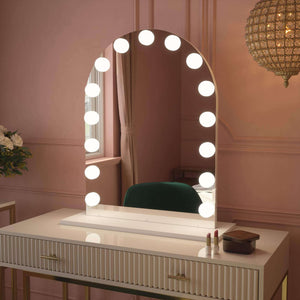


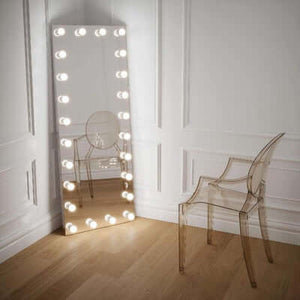
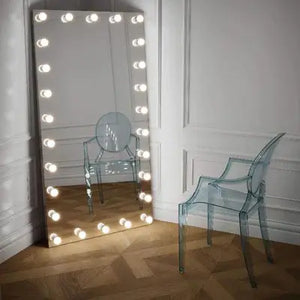
 Angelina Full Length Arch Hollywood Mirror 160 x 60cm
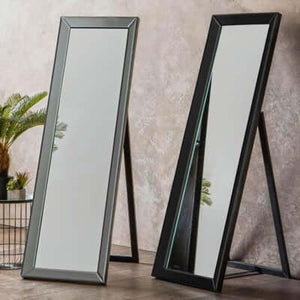
 Angled Luna Mirror-Cheval Black
 Angled Luna Mirror-Cheval Silver
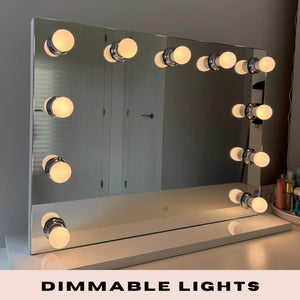
 Anne Round Hollywood Mirror Gold 60x67CM