Reading time: 5 minutes
Whatever goes on the walls and floor of a bathroom, ensuite, dressing area or hallway becomes part of the lighting. Tile sends back a share of every lumen that hits it, tinted its own colour, and that light reaches your face before you have touched a single bulb. Choose the finish badly and you spend years correcting it with lamps.
Your tiles are the second light source in the room
Light reflectance value is the number worth asking a supplier for. It runs from 0 to 100, where a brilliant white sits around 85 and a mid grey around 30. Charcoal drops below 10. A wall of pale tile behind your shoulders returns most of what the ceiling light gives it. That fill lands under the chin and jaw, where shadow reads as tired skin. Go to charcoal and the fill disappears, so your mirror lighting is working alone. That is fine if you have bulbs either side of the face at eye height. It is punishing if you are relying on one downlight overhead.
Colour comes with the reflection. A green-grey tile tints what it bounces as well as what it shows, so anything you match against that wall reads differently the moment you step outside. Warm terracotta and travertine-look surfaces do the opposite and push everything slightly pink. Most people like what that does to their face. Anyone matching a colour against it does not.
What gloss, matt, satin and lappato each throw back
High gloss
Gloss reflects at a mirror angle, so light arrives back at you concentrated rather than spread. A gloss wall opposite a window or under a row of downlights puts a bright patch in your eyeline and in every photo taken in that room. In a small windowless space that concentration is useful, because it makes a 3 square metre bathroom feel less like a cupboard. In a bright room it is glare. Gloss also records every water spot and fingerprint.
Natural matt
A matt surface scatters light in all directions, so colour stays stable from morning to night and there are no hot spots to work around. You pay for it in brightness. A deep matt colour in a windowless ensuite can need noticeably more light output to reach the same working level, which usually means more fittings rather than hotter bulbs. Glazed matt porcelain wipes clean, but unglazed and textured matt holds marks in a bathroom.
Satin and lappato
Polish porcelain in patches and you get lappato, a soft sheen instead of a full mirror. It gives back more light than matt without the glare of gloss, and it hides water spotting better than a
polished tile. For a room used mostly under artificial light, this is usually the safest of the four.
Structured and textured
Texture is for grip, and it changes the colour read. Under light raking across a wall from a mirror light, every ridge casts its own shadow, so a structured tile lands a shade or two darker and more contrasted than the flat sample suggested.
Judge samples in the room's own light, at the hour you use the room
Colour temperature moves tile the same way it moves foundation. A 2700K bulb pulls a warm sand tile further yellow and turns a cool grey slightly muddy. A 5000K LED does the reverse and drains warm stone-look tile to a flat grey. Lamp quality matters too: a low CRI LED under-renders reds, so a pink or terracotta tile that looked right in a showroom can go dull and brown on your wall.
A tile photographed for a website was lit by someone else's studio, at someone else's colour temperature. Bulbs do the same thing to skin tone. That is what sample ordering is for, and why an Australian tile retailer such as Cheap Tiles Online will post up to five different tiles out to you rather than expect a decision made on a screen. Tape them to the wall beside the mirror and lay them where the floor will go. Look once at breakfast, then again under the lamps at nine at night. Keep your shortlisted grout colours beside them while you do it, because grout shifts the read of a tiled surface further than almost anyone expects.
Its range is priced per square metre rather than per box, so a shortlist can be compared on cost as well as colour, and the five-sample pack ships anywhere in Australia for a flat $14.95 fee. Order across finishes rather than across colours. Two whites in gloss and matt will teach you more about your lighting than five whites in the same finish.
Grout colour changes what you think you chose
Grout is roughly 3mm every 300mm on a standard wall, which sounds like nothing and reads as a tint across the entire surface. Match the grout to the tile and the wall behaves as one flat plane, so a pale gloss wall stays bright and keeps filling shadow. Go dark on white tile and you get a strong grid across the wall, which measures the same brightness but looks darker to the eye. In a room where you assess your own face, that grid competes for attention every time you look up.
The rooms, one by one
Bathroom walls in the splash zone do well in gloss or lappato in a light colour, because they bounce fill light back towards the mirror and wipe down without effort.
An ensuite is usually smaller and often windowless. It gets used at 6am and again late at night. Pale walls with a mid-tone floor stop it feeling like a lightbox while keeping the fill light under your jaw.
A dressing area is where matt earns its place. You want colour to be honest rather than brightened, so a matt or satin surface in a neutral tone holds steady while your mirror lighting does the work.
Hallways take the traffic and the shoes, so a lappato or structured floor in a mid tone hides grit
between cleans in a way dark gloss never manages.
Gloss stops being sensible once the floor gets wet
Polished tile underfoot is fine dry and treacherous with water and bare feet on it. Ask for the slip rating rather than trusting the photograph: R10 or above for a bathroom floor, and for a shower base drop to a smaller format, because 50mm mosaic gives you far more grout line per step and the grout is what your foot grips. Keep gloss for walls, or for floors that stay dry.
Work out the cost per square metre before you commit
Price per square metre, then add about 10 per cent for cuts and wastage, more for a herringbone or diagonal lay where offcuts pile up. Finishes within one range usually sit within a few dollars per square metre of each other, so this is rarely a budget decision. Seeing them in person settles it fastest. Cheap Tiles Online has showrooms at Herston, Underwood, Labrador and Burleigh in south-east Queensland plus a factory outlet at Woodridge, so finishes can be compared under one light before ordering, then checked at home under yours.
Liquid error (sections/article-template line 192): Invalid form type "91\n", must be one of ["product", "storefront_password", "contact", "customer_login", "create_customer", "recover_customer_password", "reset_customer_password", "guest_login", "currency", "activate_customer_password", "customer_address", "new_comment", "customer", "localization", "cart"]


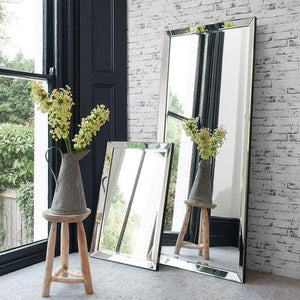

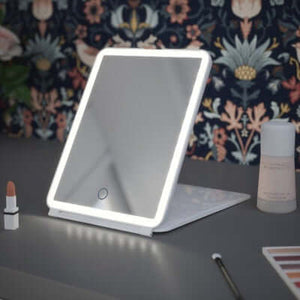
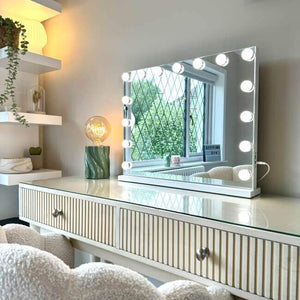
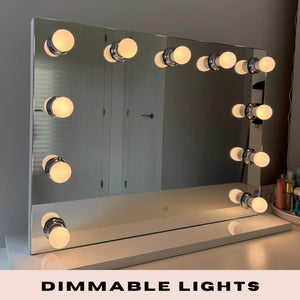
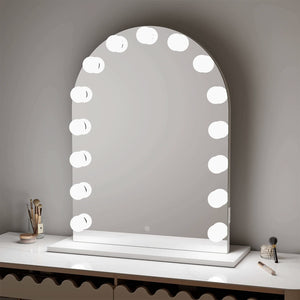
 Alicia Hollywood Mirror 60cmx80cm
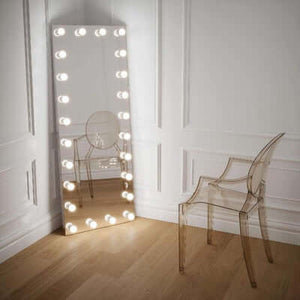
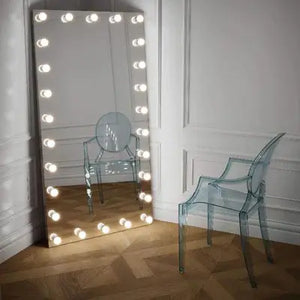
 Angelina Full Length Arch Hollywood Mirror 160 x 60cm
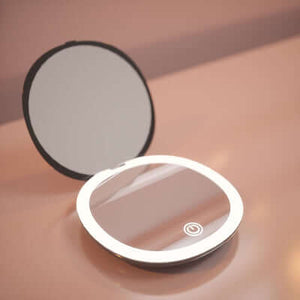
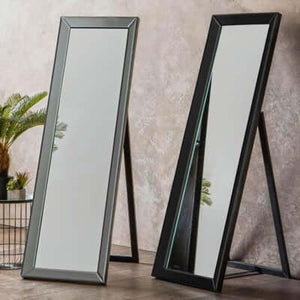
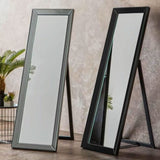 Angled Luna Mirror-Cheval Black
 Angled Luna Mirror-Cheval Silver