Choosing Bathroom Electric Radiators: Size, Colour, and Interior Design Harmony
Bathroom heating used to be a dull choice. White rad, chrome towel rail, done. Now it’s part of the design conversation, whether anyone asked for that or not. A radiator is a big object on a small wall, and bathrooms don’t have many places to hide visual mistakes.
That’s why homeowners spend more time than expected browsing finishes and proportions, especially with bathroom electric radiators available in different sizes and colours that can either blend in quietly or look like a deliberate feature. The right one makes the room feel “finished.” The wrong one looks like a last-minute compromise.
This isn’t a style-only decision though. A beautiful radiator that can’t keep the chill off tile is just décor with a power cable.
Start with the job, not the colour swatch
Before getting pulled into the black vs anthracite debate, pin down what the radiator needs to do in this particular bathroom.
Some bathrooms just never quite warm up. Usually there’s a reason for it: an external wall that loses heat, older windows, a powerful extractor constantly pulling warm air out, or simply too much tile and not enough insulation. In those spaces, a steady, reliable source of heat isn’t optional.
Those answers steer wattage and format. After that, the design choices make more sense and feel less like guesswork.
Size: bathrooms are small, but they lose heat fast
The most common mistake is buying based on wall space alone. Bathrooms look compact, so people choose compact heating. Then winter arrives and the room never really feels warm, especially after a shower when the extractor is doing its job and pulling warm air out.
Electric radiator output is usually shown in watts. That number matters more than the silhouette on the product page.
What pushes a bathroom’s heat requirement up
- One or more external walls
- A window that’s bigger than it looks on the plan
- Lots of tile and stone, which hold cold well
- High ceilings, common in period homes
- Strong ventilation, which is great for mould, not great for warmth
There are online calculators, and they help, but even without one, the principle is simple: a bathroom often needs more heating “oomph” than a similarly sized bedroom.
The towel rail trap
Towel rails are brilliant for comfort. They are not automatically powerful enough to heat the entire room, especially in larger bathrooms. Some models are designed as real heaters. Others are basically warm towel storage.
Proportion and placement: make it look intentional
Bathrooms are visually busy places. Mirrors, glazing, taps, tile lines, storage, lighting. A radiator can either calm the wall down or add to the clutter.
Vertical vs horizontal, the real-world version
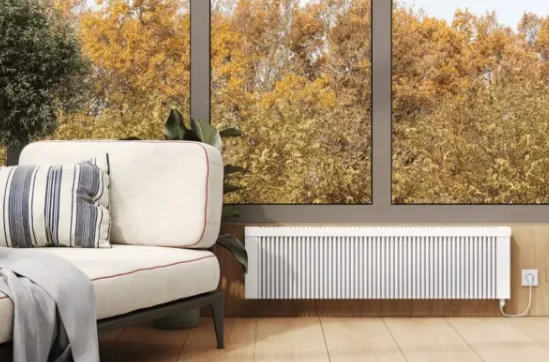
Vertical radiators make sense when wall width is limited. That’s common in ensuites where every wall has something going on. A tall, slim radiator can fit beside a vanity or near a shower enclosure, as long as safety and clearance are handled properly.
Horizontal radiators sit better on broader walls and often feel more traditional. They can look “right” under a window, or along a half-tiled wall where a vertical unit would feel awkwardly dominant.
There’s no universal answer. The room decides. If the radiator looks like it was squeezed into the only leftover gap, it will always feel like a leftover.
Don’t forget the sight lines
Bathrooms are viewed from the doorway and from the mirror. If the radiator is the first thing seen when the door opens, treat it like part of the design, not an afterthought.
Also consider towel behaviour. People will hang towels where it’s convenient, not where the plan says they should. If towels are going to end up on the radiator every day, choose a format that still looks decent when it’s in use.
Colour and finish: what actually looks good in a bathroom?
Radiator colour sounds like a “nice to have,” but in bathrooms it’s a big deal. These rooms have hard surfaces and bright lighting, so finishes show their true personality. Sometimes too much personality.
White: safe, but not always a match
White works in many bathrooms because sanitaryware is usually white. The catch is undertone. A radiator in cool white can look stark against warm stone tiles. A warm white radiator can look creamy and off against crisp white wall tiles.
Anthracite and black: strong choices, best when repeated
Dark radiators are popular for a reason. They look sharp against white tiles, they pair nicely with black-framed showers, and they can make a bathroom feel more architectural.
But dark finishes need company. A lone black radiator in a sea of chrome and white can look random, like it wandered in from a different renovation. Repeat the finish somewhere else: tapware, mirror frame, shower frame, cabinet handles. Twice is usually enough to make it feel deliberate.
Chrome and shiny metals: easy to overdo
Chrome towel rails match chrome taps, simple. The problem is that bathrooms are shifting toward softer finishes: brushed brass, brushed nickel, gunmetal, warm bronze. In those rooms, high-shine chrome can feel too reflective, too “new build showroom.”
Matte and satin finishes are often easier to live with in daily use as well. They hide fingerprints and water spots better, which matters in a room that’s literally designed to be wet.
Interior design harmony: matching the radiator to the room’s “materials story”
A bathroom isn’t just a colour palette. It’s materials and textures. Glass, grout, timber, painted walls, stone. A radiator finish should agree with that story.
A radiator should match at least one of these
- The dominant metal (taps, shower, mirror frame)
- The wall colour or tile tone (to blend in)
- The accent colour (to become a feature)
If it matches nothing, it will look like a spare part.
Sheen level matters as much as colour
Matte finishes tend to feel modern and quiet, while gloss reads cleaner and more “fresh” because it catches light. The catch is, in a small bathroom packed with downlights, that same reflection can glare back at you more than you’d expect.
For spa-style bathrooms, matte or satin usually feels better. For sharp contemporary spaces with lots of glass and chrome, a bit of sheen can work.
The practical design details people forget until it’s too late
A radiator can be the perfect size and colour, then get let down by one thing: visible clutter.
Controls and cable placement
Some electric radiators have visible controls or displays. That can be fine, but it should be planned. A chunky control box right at eye level next to the mirror can spoil an otherwise clean wall.
Cable routing is the bigger issue. A trailing cable to a visible socket can make the installation look temporary. During a renovation, it’s worth planning the electrical point so the final look stays tidy.
Room-by-room guidance (because not every bathroom behaves the same)
Cloakrooms
Small spaces cool quickly, but they also don’t need heavy-duty heating for long periods. These rooms can handle bold radiator choices because the overall scheme is small. A feature colour works here better than almost anywhere else.
Ensuites
Ensuites often aim for calm. Radiators that blend into the wall colour, or match fixtures subtly, tend to look the most expensive. Underpowered heating is a common issue in ensuites though, because people assume “small room, small radiator.”
Family bathrooms
High use, lots of towels, lots of moisture. A durable finish that hides water marks is a smart pick. Heat output matters because the room is constantly recovering from showers and baths.
Wet rooms
In a bathroom, there’s nowhere to hide. Clean lines and sensible placement are the difference between “designed” and “tacked on,” and the finish has to earn its keep. Matte dark tones can look brilliant, but only if the rest of the room actually plays along.
A quick pre-buy checklist (worth doing once)
- Measure usable wall space, including door swing and furniture clearance
- Note external walls and window size
- Decide if the radiator is primary heat or a supplement
- Think about towel drying needs in real life, not ideal life
- Check finish compatibility with taps, shower frame, and mirror
- Plan cable and control visibility
- Confirm suitability for bathroom zones and installation location
Colour coordination shortcuts that usually work
- -Warm tiles and brass? Warm neutrals and softer metallics tend to behave better than icy whites and high-gloss chrome.
- -Black fixtures? A dark radiator looks intentional if black appears elsewhere at least once more.
- Busy tile pattern? Keep the radiator finish calm and simple.
- Minimal bathroom? A colour radiator can be the one statement, but keep everything else quiet.
The takeaway
Choosing a bathroom electric radiator is part heat engineering, part design judgement. The best results come from treating it like both. Get the size right so the room actually feels comfortable, then choose a finish that matches the bathroom’s metals and undertones, and make sure the installation looks planned, not improvised.
Bathrooms don’t offer much forgiveness. But they do reward good choices every single morning.
Liquid error (sections/article-template line 192): Invalid form type "94\n", must be one of ["product", "storefront_password", "contact", "customer_login", "create_customer", "recover_customer_password", "reset_customer_password", "guest_login", "currency", "activate_customer_password", "customer_address", "new_comment", "customer", "localization", "cart"]



 Alicia Hollywood Mirror 60cmx80cm
 Angelina Full Length Arch Hollywood Mirror 160 x 60cm
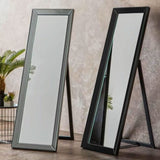 Angled Luna Mirror-Cheval Black
 Angled Luna Mirror-Cheval Silver