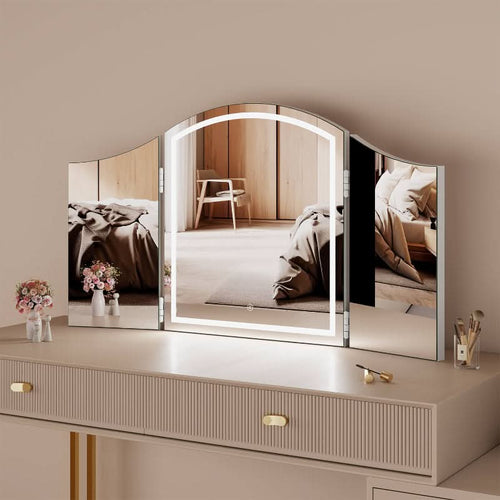
You can spend weeks choosing the perfect sofa, coordinating wall colors, and arranging furniture, only to find that your living room still feels incomplete. Even thoughtfully selected coffee tables and decorative accessories can lose their visual appeal when the lighting is too harsh, too dim, or poorly positioned.
Lighting does more than help you see. It influences how spacious a room appears, brings out the colors and textures of furniture, and determines whether a space feels inviting or uncomfortable. Yet, despite its importance, lighting is often one of the last things homeowners consider when decorating.
Understanding how different light sources work together can transform the atmosphere of your home without requiring a complete redesign.
Why Lighting Has Such a Strong Influence on Interior Design
Think about how your living room looks on a bright morning compared to a quiet evening.
During the day, sunlight reveals the natural grain of wooden furniture, highlights fabric textures, and makes colors appear more vibrant. At night, the same room can feel entirely different depending on where the lights are positioned.
A single bright ceiling fixture may illuminate everything, but it can also create harsh shadows and make the space appear flat. Softer lighting placed at different heights, meanwhile, introduces contrast and draws attention to specific areas.
Lighting also changes how we perceive a room's proportions. Illuminating dark corners can make a compact living area feel more open, while focused lighting creates intimate spaces within larger rooms.
The goal isn't necessarily to make every corner equally bright. Instead, good lighting establishes a comfortable balance between visibility, atmosphere, and visual interest.
Understanding the Different Types of Lighting
A well-designed interior rarely depends on just one source of light. Different types of illumination serve different purposes, and understanding their roles makes it easier to create a balanced arrangement.
Natural Light: Making the Most of Daylight
Natural light can make interiors feel more open while revealing furniture colors and textures differently depending on the time of day and the direction of sunlight.
Position seating areas where they can benefit from daylight without exposing occupants to uncomfortable glare. Lightweight curtains help soften direct sunlight, while adjustable blinds offer greater control throughout the day.
In Philippine homes, where afternoon sunlight can be particularly intense, managing heat and glare is just as important as maximizing brightness.
Ambient Lighting: Establishing Overall Brightness
Ambient lighting provides the general illumination needed to move comfortably around a room.
Ceiling fixtures, recessed lights, and pendant lamps commonly serve this purpose. However, one powerful overhead light isn't always the best solution, especially in spaces with multiple functional areas.
Distributing illumination more evenly helps prevent excessively bright spots and uncomfortable shadows.
Task Lighting: Bringing Light Where It's Needed
Some activities require more focused illumination than general room lighting can provide.
A reading chair benefits from a nearby floor lamp, while a kitchen countertop needs sufficient light for preparing meals. Desk lamps, bedside lights, and under-cabinet fixtures serve similar purposes.
Position task lighting to illuminate the activity directly without shining into someone's eyes or casting distracting shadows.
Decorative and Accent Lighting: Creating Visual Interest
Accent lighting draws attention to features that might otherwise go unnoticed, such as artwork, textured walls, or decorative shelving.
Wall sconces, picture lights, and carefully positioned lamps can introduce depth while reinforcing the room's overall style.
Decorative fixtures also contribute to the design themselves. A sculptural pendant, for example, can become a focal point even when it isn't switched on.
How to Layer Lighting for a More Balanced Interior
Layered lighting combines multiple light sources at different heights and locations, creating a space that feels comfortable and adapts to different activities. Rather than relying on a single ceiling fixture, consider how each type of lighting contributes to the room:
-
Start with ambient lighting: Use ceiling lights or recessed fixtures to provide general illumination, ensuring the room is bright enough for everyday activities.
-
Add task lighting where needed: Position a floor lamp beside a reading chair or a table lamp near the sofa to provide focused light without illuminating the entire room.
-
Introduce accent lighting: Highlight artwork, decorative shelving, or architectural details with wall sconces or smaller fixtures to create depth and visual interest.
-
Adjust lighting for different activities: Use dimmers or independently controlled fixtures, where compatible, to switch between brighter lighting for entertaining and softer illumination for relaxing.
When selecting fixtures, consider how their placement and design complement your furniture. Explore different modern light fixtures to find options that suit your room's layout and overall style.
Effective layering doesn't require numerous lamps. A few thoughtfully positioned light sources can create a balanced atmosphere without making the space feel cluttered.
Choosing Lighting Fixtures That Complement Your Furniture
Lighting fixtures should work with the furniture around them, both visually and functionally. Their size, placement, and design can influence how balanced a room feels, while the quality of light affects how furniture colors and finishes appear.
Consider the Size and Placement of Fixtures
Choose lighting fixtures that suit the proportions of your space. A large chandelier may look impressive in a spacious dining area but overwhelm a compact condominium living room. Similarly, a small pendant can appear out of place above an oversized dining table.
Placement is equally important. A floor lamp beside a sofa should provide sufficient illumination without obstructing movement, while a bedside lamp needs to sit at a comfortable height for reading.
Match Lighting With Furniture Materials and Finishes
Different furniture materials interact with light in distinct ways. Light-colored upholstery can appear fresh and airy under balanced illumination, while dark wood often looks warmer and richer under softer lighting.
In the living room, consider how lighting complements the central seating arrangement. Glass-topped coffee tables can create a lighter visual impression, whereas wooden designs introduce texture and contrast. A nearby lamp can highlight these materials and help tie the furniture into the surrounding décor.
Aim for fixtures that complement the room's existing shapes, colors, and finishes without competing with other decorative elements.
Using Reflective Surfaces to Make Rooms Feel Brighter and More Spacious
You don't always need additional light fixtures to improve a room's brightness. Sometimes, changing how existing light interacts with surrounding surfaces makes a noticeable difference.
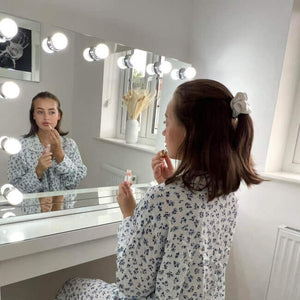
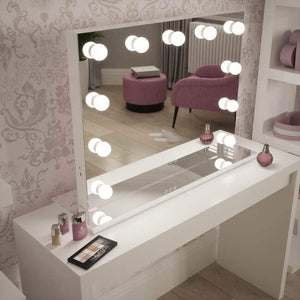
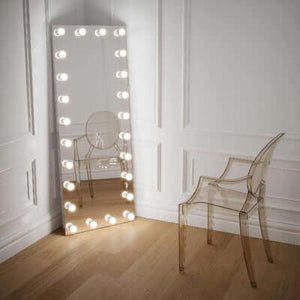
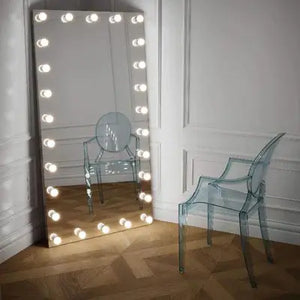
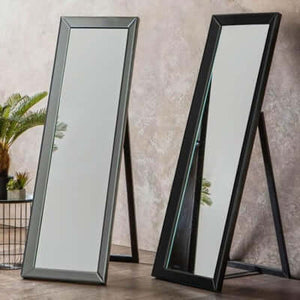
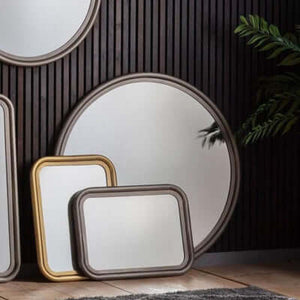
Mirrors are particularly useful because they reflect light and create the impression of additional depth. Positioning a mirror where it reflects incoming daylight can help brighten darker areas of a room, provided its angle doesn't create uncomfortable glare.
This approach is especially helpful in smaller apartments and condominiums, where natural light may enter through only one side of the space.
Furniture and decorative materials can contribute as well. Glass surfaces, metallic accessories, and polished finishes catch and reflect light, adding subtle highlights throughout the room.
However, too many reflective elements can produce distracting glare. Balance glossy materials with matte finishes, textured fabrics, or natural wood to maintain visual comfort.
Even a carefully positioned wall mirror can make a difference when it reflects an attractive view or brightens an otherwise dim corner.
Common Lighting Mistakes That Can Undermine a Beautiful Room
Even thoughtfully decorated spaces can feel uncomfortable when lighting is poorly planned. Avoid these common mistakes to create a more balanced and inviting interior:
-
Relying on a single overhead light: One ceiling fixture rarely provides enough flexibility for reading, relaxing, and entertaining. Combine different light sources to accommodate various activities.
-
Choosing the wrong color temperature: Cool white lighting can feel harsh in relaxation areas. Warm white bulbs, typically around 2700–3000K, often create a more welcoming atmosphere in living rooms and bedrooms.
-
Using bulbs that are too bright or too dim: Insufficient lighting makes everyday tasks difficult, while excessive brightness can cause glare. Choose brightness levels based on the room's purpose.
-
Overlooking fixture placement: Lights positioned directly in someone's line of sight or reflected on television screens can create discomfort. Adjust their placement to minimize distracting glare.
Before purchasing additional fixtures, observe how your space looks throughout the day. Sometimes, simply repositioning a lamp or changing a bulb is enough to improve the room's lighting.
Let Lighting Bring the Entire Room Together
Beautiful interiors aren't defined by furniture alone. The way light interacts with colors, textures, and decorative details plays an equally important role in creating a welcoming home.
By combining natural daylight with ambient, task, and accent lighting, you can create spaces that feel comfortable and function well throughout the day. Thoughtfully selected fixtures and reflective surfaces add the finishing touches.
Whether you're furnishing a new home or refreshing an existing room, consider lighting alongside your furniture choices. The right combination can make familiar surroundings feel entirely new.
Liquid error (sections/article-template line 192): Invalid form type "49\n", must be one of ["product", "storefront_password", "contact", "customer_login", "create_customer", "recover_customer_password", "reset_customer_password", "guest_login", "currency", "activate_customer_password", "customer_address", "new_comment", "customer", "localization", "cart"]

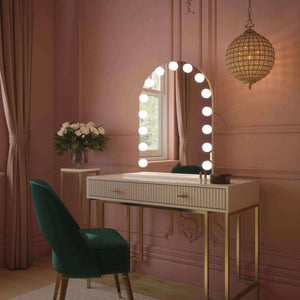


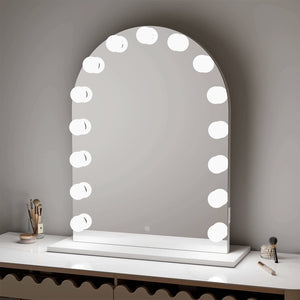
 Alicia Hollywood Mirror 60cmx80cm
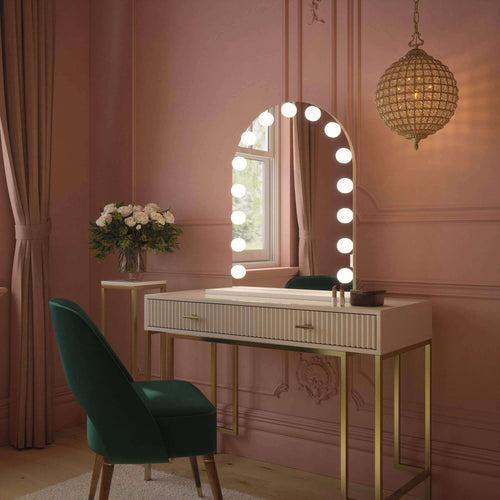
 Angelina Full Length Arch Hollywood Mirror 160 x 60cm
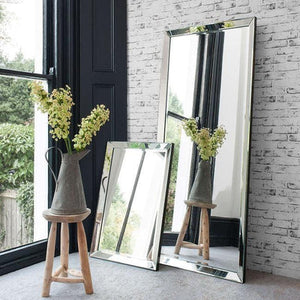
 Angled Luna Mirror-Cheval Silver
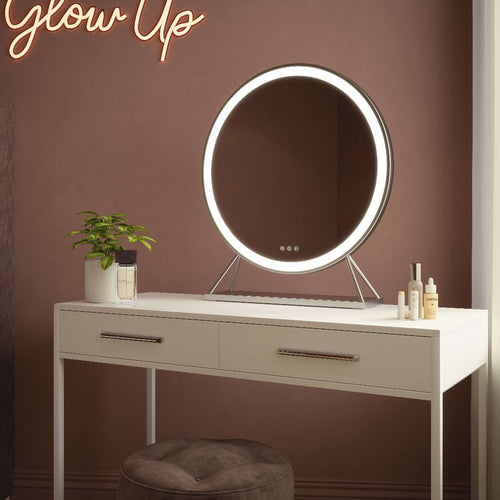
 Anne Round Hollywood Mirror Gold 60x67CM