Personal style is much more than a selection of clothes. True personal style starts working for you when you incorporate it into your dressing routine. If your first thought each morning when looking inside your wardrobe is "what to wear today?" the problem probably lies not in how many clothes you have, but in a lack of an outfit-planning system.
A dressing routine includes your lifestyle, favourite colours, silhouettes, comfort, and the day's activities. It speeds up getting dressed, makes your wardrobe more functional, and reduces unnecessary shopping.
1. Start From Your Real Life
Don't imagine an ideal wardrobe; instead, estimate your life on a weekly scale. How many days per week do you spend in the office? What is your time allocation at home, running errands, at the university, attending meetings, travelling, and having social events?
If you lead a relaxed lifestyle, dressing up for almost everything in your wardrobe will not be ideal. Here is how to categorise your day-to-day activities:
-
casual attire
-
weekends
-
exercise
-
social engagements
-
formal events
This simple lifestyle evaluation will help you determine what kind of daily attire you need.
2. Examine Your Most-Favored Clothing
Before buying new clothes, review your current wardrobe. Select those 5–10 items that you find yourself wearing again and again.
Notice which colour repeats. Is it more about loose fit or structured clothes? Would you rather wear denim, cotton, linen, or knits?
Sometimes, a distinctive style emerges not from a sophisticated fashion genre but from a basic article of clothing. An individual's personal style can be based on a denim jacket, oversized shirt, boots, or even a nicely styled utility kilt. What is important, however, is that the item suits your personality and life.
3. Describe Your Personal Style in Words
Think of describing your personal style with only 3-5 words.
For instance: relaxed & polished & minimalist or classic & comfortable & creative
The style words act as filters while choosing clothes to wear. If a trendier fashion item doesn't fit your style words or your closet/lifestyle, you don't need it.
4. Find Your Colour Palette and FavouriteSilhouettes. A convenient colour palette makes it easy to put together outfits. Choose 2-4 base colours you wear often, then add accent colours.
Like this:
Base colours: black, navy, cream, tan
Casual:T-shirt + sneakers + jeans + light top
Accent colours: olive, blue, burgundy
Pay attention to seasonal colour analysis; however, it shouldn’t be absolute, since some colours can boost your confidence and match your wardrobe easily. Do the same with your favourite silhouettes.
5. Develop Outfit Formula
An outfit formula is the most useful step in the dressing process. An outfit formula isn't an outfit; it's a combination you can repeat with different garments.
Here are some examples:
Office:Tailored pants + classic shirt + blazer + loafers
Weekends: Denim + casual shirt + comfy shoes + accessory
Keep the number of formulas to no more than 5. It means that you don’t need to create an outfit out of thin air every morning, but you can still express yourself.
6. Adhere to a Specific Sequence in Morning Dressing
Instead of going through your entire wardrobe in the morning, follow a specific sequence. First, consider the weather and your scheduled activities. Then pick a few key items that fit your needs. Finally, choose an anchor piece, such as your favourite pants, blouse, dress, jacket, or shoes.
Next, apply your style filters, which include the following questions:
-
Are the colours correct?
-
Do you like the silhouette?
-
Is the outfit practical enough?
-
Does the look match your style words?
Then come the shoes, purse, coat, and other accessories. This method of dressing is simple and saves you from decision fatigue.
7. Schedule Your Outfit Each Week
Take a little time on Sunday or at the start of each week to plan your week. Look ahead at meetings, dinner plans, travel, events, or days when the weather will be unpredictable. You don't have to plan an entire outfit for every day; pick outfits that work.
Also see if your clothes need to be cleaned, pressed, or steamed. Save pictures of successful outfits. You can use either your mobile photo app or your note-taking app for this.
This will help you minimise the morning rush each week.
8. Develop Your Personal Style Through Outfit Logging
Logging your outfits isn’t just for social media; it also gives you valuable data about your wardrobe.
After a couple of weeks, pay attention to:
-
What outfits were you repeating?
-
-
What pieces of clothing didn’t you use at all?
-
What colors were easier to pick?
-
What shoes gave you comfort?
-
In which combinations did you feel more confident?
That’s how you understand your true personal style, not the style you saw on Pinterest or social media.
9. Purchase Clothing to Fill Your Actual Wardrobe Gaps
Not all fashion trends mean wardrobe gaps.
Actual gap: "I don’t have comfortable shoes that match my office formula clothes."
Unintentional purchase:"I liked the shoes on an influencer, and now I want to buy them."
Think twice before you buy anything by asking yourself: Does this piece of clothing suit my lifestyle? Can I wear this piece of clothing with various other things? And does it fit my outfit formula s? This will help you avoid making impulsive purchases.
10. Make Sure Your Dressing Process Is Flexible
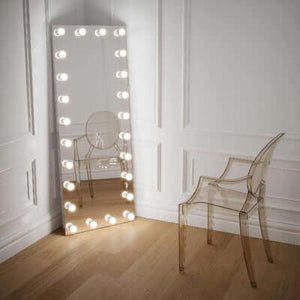
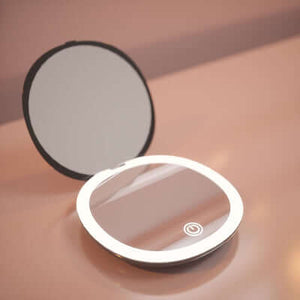
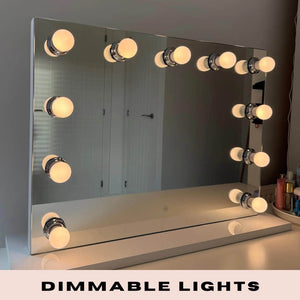
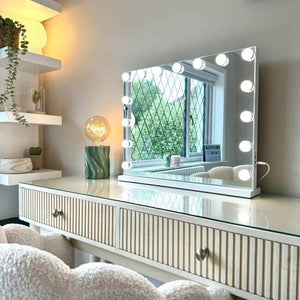
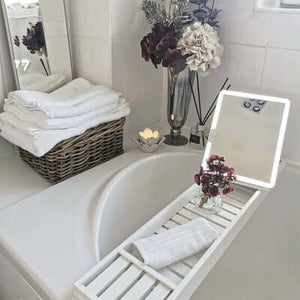
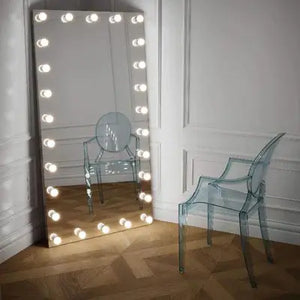
It is normal for personal style to change with a new job, a new season, new weather, or lifestyle changes. Review your wardrobe and favourite outfits every few months. Trying outfit combinations in a full-length mirror is also a good idea, since proper lighting will help you see how well everything fits and looks. For more tips on creating your dressing area, see Hollywood Mirrors.
Ultimately, the best dressing process supports your personal style and comfort. It doesn't mean you have to be a professional stylist every morning. Know what outfits you like, keep a few outfit formulas on hand, note your successes, and gradually build your wardrobe. Once you have a wardrobe based on your lifestyle and personality, getting dressed will be easy and straightforward.
Liquid error (sections/article-template line 192): Invalid form type "74\n", must be one of ["product", "storefront_password", "contact", "customer_login", "create_customer", "recover_customer_password", "reset_customer_password", "guest_login", "currency", "activate_customer_password", "customer_address", "new_comment", "customer", "localization", "cart"]

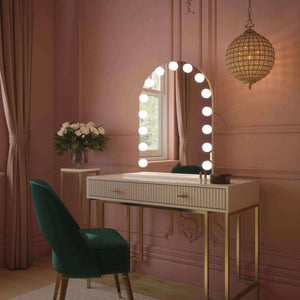

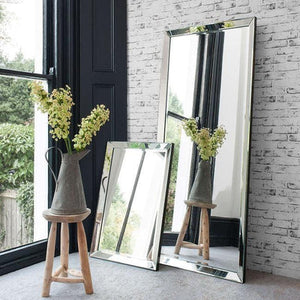

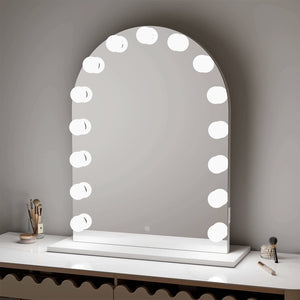
 Alicia Hollywood Mirror 60cmx80cm
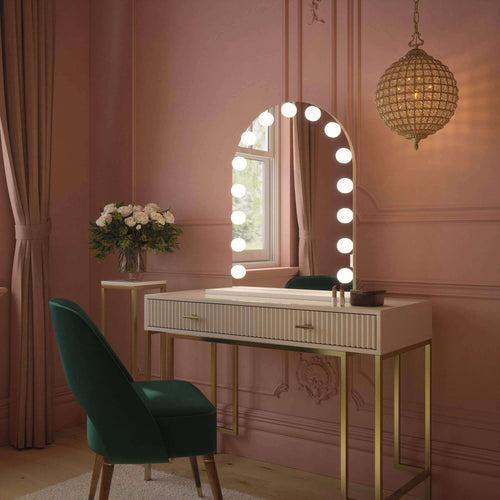
 Angelina Full Length Arch Hollywood Mirror 160 x 60cm
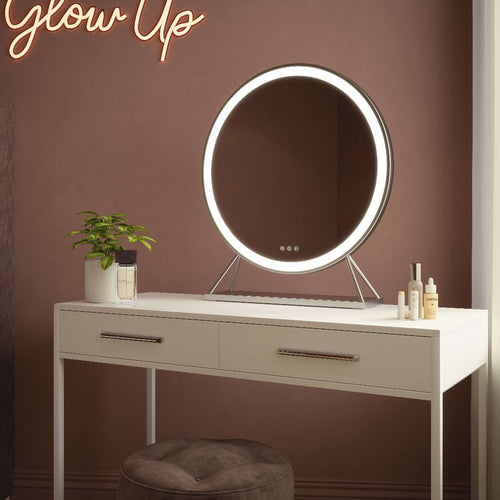
 Angled Luna Mirror-Cheval Silver
 Anne Round Hollywood Mirror Gold 60x67CM